
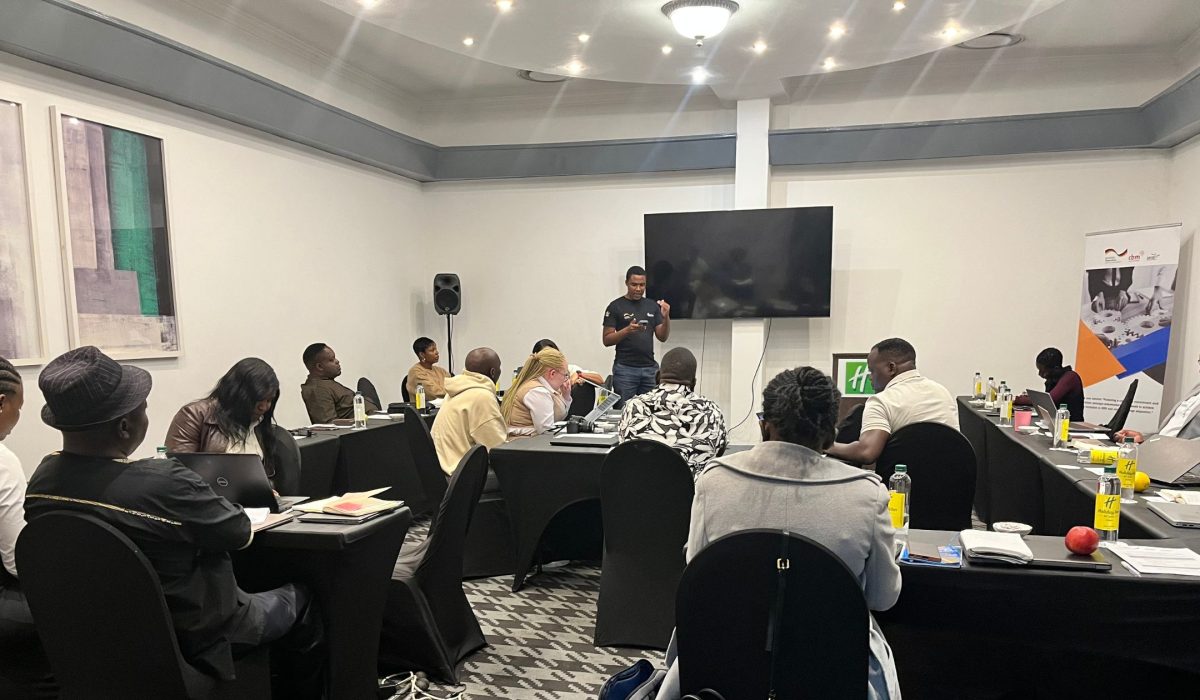
SAFOD held its DiDRR Regional All-Partners Meeting in April 2026. Partners reviewed progress on disability-inclusive disaster risk reduction and planned how to scale it up across Southern Africa.
The project is funded by Christian Blind Mission (CBM). SAFOD leads it with ADRA Zambia, REPSSI, ZAFOD and FODPZ.
Why Disability-Inclusive Disaster Risk Reduction Matters
Droughts, floods and cyclones now hit Southern Africa more often and with more force. They do not hurt everyone equally.
Persons with disabilities face a higher risk of death and injury in disasters. Early warnings often do not reach them. Barriers block escape routes. They are rarely part of disaster planning.
The Sendai Framework for Disaster Risk Reduction calls for inclusion. Yet most disaster systems in the region still overlook disability.
The DiDRR project aims to change this. It strengthens inclusive planning. It also helps organisations of persons with disabilities (OPDs) become strong actors in disaster governance.
What the Partners Meeting Set Out to Do
The meeting had three goals:
- Review technical and financial results from the four-month project extension.
- Name key challenges and capture lessons learned.
- Build a shared base for scaling up and sustaining impact.
Mr Misheck Mutamba of ZAFOD gave the opening remarks. Ms Ashllah Mmusi, SAFOD Director of Programmes, set out the aims. Ms Slinganiso Homela of CBM shared the donor view.
Day One: Progress Reports and Voices from the Field
Technical and Financial Review
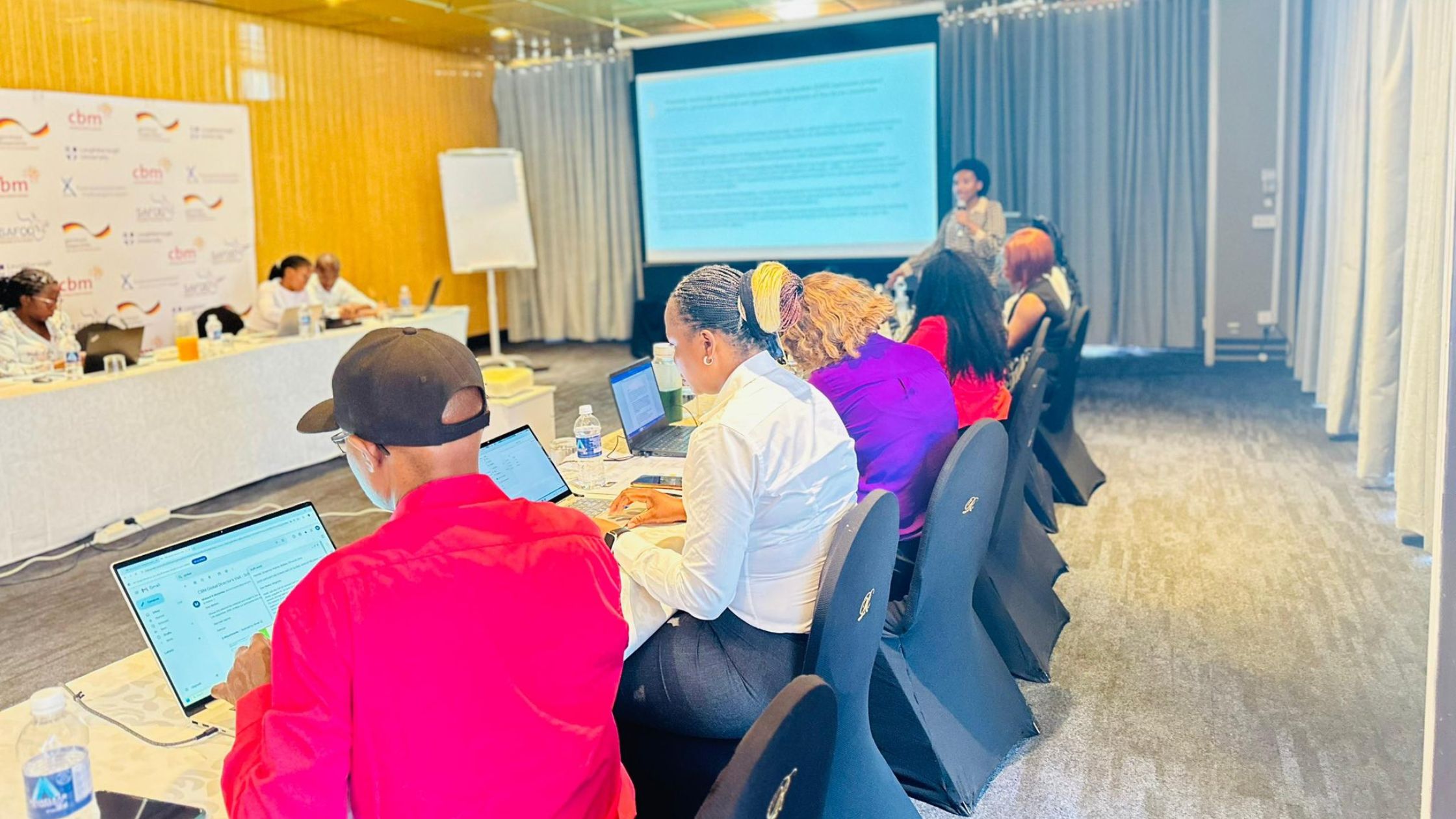
SAFOD, REPSSI and ADRA each reported on results against targets and on spending. Partners and the donor asked tough questions in open sessions.
The aim was learning, not box-ticking.
OPD Voices on Disability-Inclusive Disaster Risk Reduction
A panel of OPD leaders from ZAFOD and FODPZ spoke about life at community level. Mr Malilwe Malilwe of CBM moderated. They described what works, where barriers remain and what communities want next.
The panel made one point clear. OPDs are not only beneficiaries. They are technical actors, community advocates and watchdogs.
Awareness of DiDRR has grown fast among OPD members. Many district and national disaster bodies still lack the tools, skills or will to include disability in their plans.
Government Systems and Sustainability
Ms Judith Nyamutenha of the Disaster Prevention and Management Unit (DPMU) spoke on strengthening government systems. The session asked which approaches will last after funding ends.
Governments that work with OPDs in disaster planning get better results. That work needs formal systems and political will that outlive any one project.
Day Two: Planning to Scale Up Disability-Inclusive Disaster Risk Reduction
Setting a Shared Vision
Ms Mmusi opened with lessons, results and regional openings. Ms Caroline Mwewa of ADRA then led group work on disability-inclusive disaster risk reduction. Partners named where the project worked best, where gaps remain and where to grow next.
Designing the Next Phase Together
Dr George Mwika Kayange, who is the founder of the Assistive Technology Innovation Wiki, moderated a design workshop for SAFOD. Four work streams guided it:
- Context, rationale and target scope.
- Strategic actions and delivery arrangements.
- Results framework and outcomes.
- Sustainability, partnerships and resource mobilisation.
Partners drafted a project framework. They also began a concept note to attract funding for the next phase.
Co-design matters. A plan that every partner helped shape is more likely to be owned and delivered well.
Action Plans and Commitments
Partners agreed who will finalise the concept note on disability-inclusive disaster risk reduction. They named lead writers and set dates for completion and donor talks. Closing words came from FODPZ, ZAFOD, REPSSI and CBM.
Five Lessons from the Meeting
OPDs are technical partners. They should help plan, monitor and deliver, not just give advice. The March 2026 Training of Trainers in Boksburg showed this. Participants came from Zimbabwe, Zambia and Botswana.
Early warnings must reach everyone. Many alerts exclude people with visual, hearing or cognitive impairments. This gap needs steady attention in any next phase.
Government engagement is not enough alone. Working with the DPMU and officials in Zimbabwe and Zambia was a real gain. But policies often say more than practice delivers. Lasting change needs long-term partnership.
Plan for life after funding. Strong OPDs, inclusive government systems and peer learning networks keep results alive.
Scale-up needs a regional approach. The project now runs in Zimbabwe, Zambia and Botswana. SAFOD’s network of 16 national affiliates can carry it to more SADC Member States.
What Comes Next for Disability-Inclusive Disaster Risk Reduction
The meeting gave an honest account of results and challenges. It also set a shared base for the next phase of the disability-inclusive disaster risk reduction project.
The CBM-funded project shows that OPDs can build real skills in disability-inclusive disaster risk reduction. It shows that government systems will engage. And it builds evidence for national and regional policy that can strengthen not only disability-inclusive DRR programming but also disability advocacy in general across countries in the Southern Africa region, such as Malawi’s disability rights advocacy.
The task is still large. Disasters are rising. Persons with disabilities remain at high risk. Protection systems are not yet fit for purpose.
SAFOD and its partners aim to change that. The concept note now in development is the next step. Read how the message travelled in taking the disability DRR message to Windhoek, and see the case for disability inclusion in DRR.
The DiDRR project is funded by Christian Blind Mission (CBM) and implemented by SAFOD in partnership with ADRA Zambia, REPSSI, ZAFOD, and FODPZ. SAFOD is the leading regional disability-focused network operating across all 16 SADC Member States. For more information, visit safod.net.