
SAFOD Programme
SA-DGMP: Disability and Gender Mainstreaming
Women and girls with disabilities face two layers of exclusion. SA-DGMP works to put them at the centre — as decision-makers, as beneficiaries, and as voices that shape what inclusion looks like in practice.
Women and girls with disabilities are excluded because of their disability and because of their gender. Those two layers of discrimination compound each other. Any programme that addresses one without the other will still leave women and girls behind.
Programme focus
Decision-making and voice.
Social protection access.
Economic empowerment.
Health and SRHR rights.
Key activities
- Disability-Inclusive Disaster Risk Reduction (DiDRR) project — A three-year project funded by CBM and the German Federal Ministry for Economic Development and Cooperation (BMZ), implemented in Zimbabwe, Zambia, and Malawi with seven local partners. The project builds OPD capacity on inclusive DRR and climate change adaptation, with gender and intersectionality as explicit cross-cutting requirements throughout all interventions.
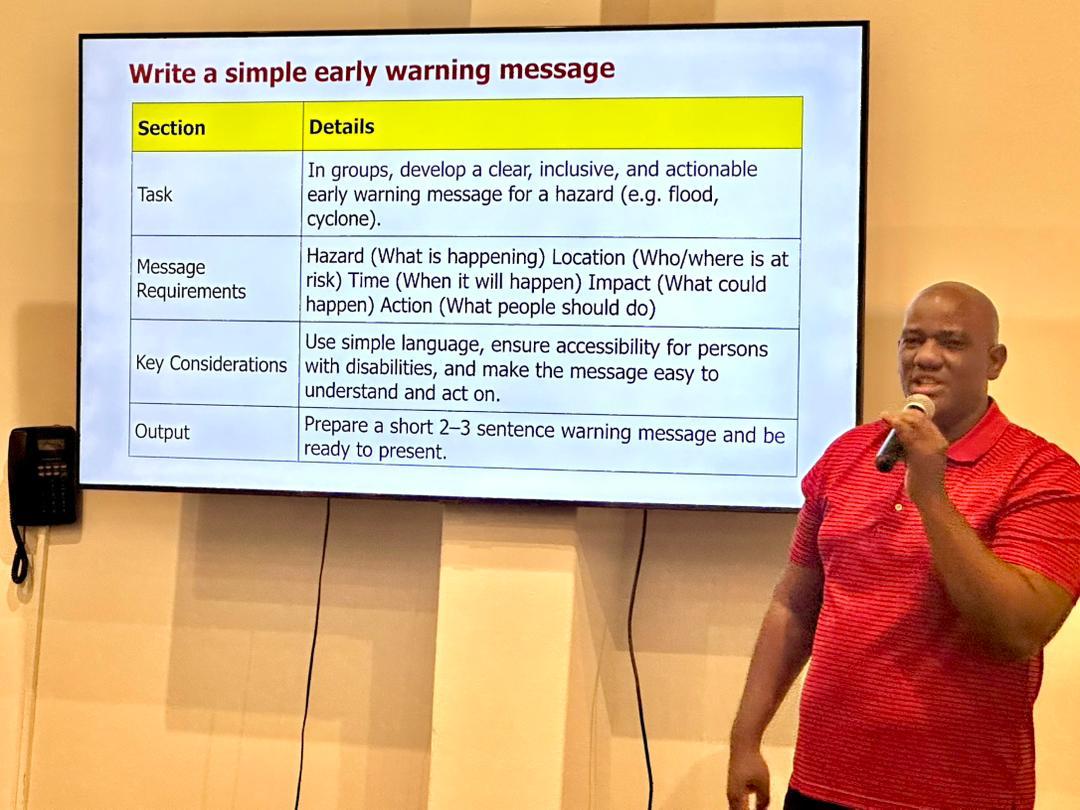
- DiDRR Training of Trainers (2026) — A regional training held in Boksburg, South Africa in March 2026, equipping OPD representatives from Zambia, Zimbabwe, and Botswana with skills to promote inclusive early warning systems and disaster preparedness. The training embedded gender inclusion and disability-disaggregated data as core components.
- Inclusive Early Childhood Development and Education (ECDE) strategy — SAFOD developed a draft Regional Inclusive ECDE Strategy Framework in partnership with TRANAC and the Africa Early Childhood Network (AfECN), with OSISA funding. The strategy guides SADC member states and the SADC Secretariat on ensuring universal, equitable access to inclusive early childhood services — with disability and gender mainstreaming at its core.
- Inclusive Social Protection research and guidelines — SAFOD commissioned a regional meta-analysis on inclusive social protection mechanisms in Malawi, Zambia, and Zimbabwe, and published the SAFOD Regional Guidelines on Inclusive Social Protection Mechanisms for Persons with Disabilities in Southern Africa (2025), developed with CBM and German Cooperation. Both outputs integrate gender and intersectionality as central to disability-inclusive social protection design.
What COVID-19 revealed
The pandemic deepened existing inequalities
- Persons with disabilities were among the hardest hit by the pandemic across the region.
- For women and girls, the impact was sharper — including greater exposure to gender-based violence.
- Access to health services fell further; economic ground that was already hard-won was lost.
- SAFOD's COVID-19 research provided direct evidence to drive the SA-DGMP agenda.
"
SA-DGMP pushes for policies, programmes, and budgets that see women and girls with disabilities — and act on what they see.