
SA-IEP: Inclusive Education
Education is the foundation for everything else. SA-IEP works to make education systems across the SADC region genuinely accessible — not just on paper, but in classrooms, curricula, and budgets.
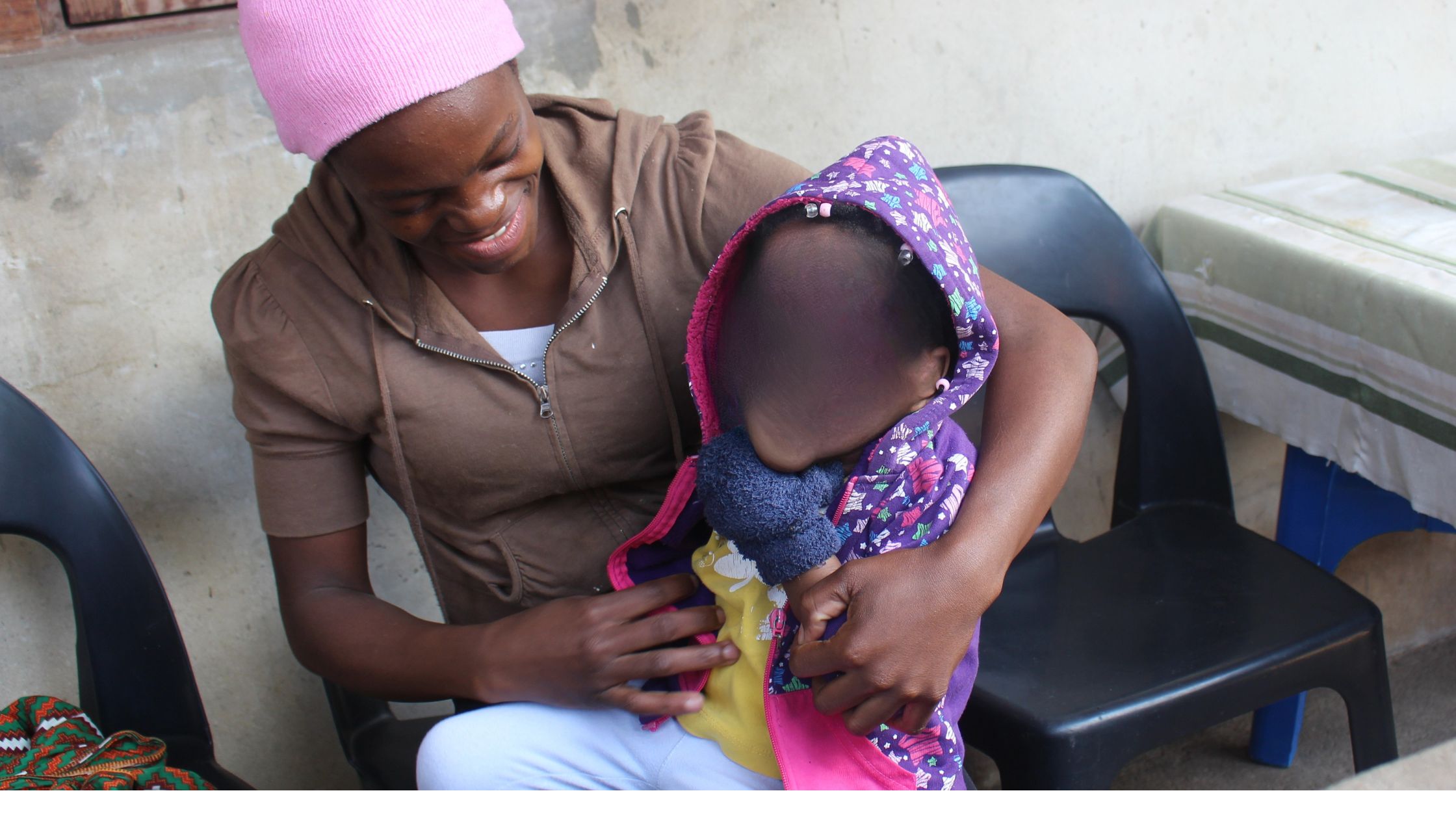
Across Southern Africa, millions of learners with disabilities are being failed by education systems that were not built with them in mind. Schools are physically inaccessible. Teachers lack training. Assistive technology is scarce. Where inclusive education policies exist, they rarely come with the budgets or oversight to make them work.
Regional Inclusive ECDE Strategy Framework
SAFOD developed a draft Regional Inclusive Early Childhood Development and Education (ECDE) Strategy Framework to guide the SADC Secretariat, member states, and other stakeholders on making early childhood education universally available and genuinely inclusive across the region.
SAFOD submitted a proposal to the Open Society Initiative for Southern Africa (OSISA) to support advocacy for the adoption and implementation of this strategy, targeting six countries in a three-way partnership.
2022 Regional Roundtable Forum
Inclusive education was a core theme at SAFOD's 2022 Regional Disability Roundtable Forum in Johannesburg. MIET Africa and AfECN joined to assess progress, share evidence, and identify what governments must do differently to close the gap between policy and classroom reality.
#Inclusive Young Voices
Youth Ambassadors in five countries were trained to advocate for their right to inclusive, quality education — directly challenging the systems that exclude them. Education was one of the core themes carried by the project across Botswana, Namibia, Mozambique, Zambia, and Malawi.
Education cannot be the last sector to include persons with disabilities. SA-IEP makes the case that it must be one of the first — and that the investment required is not charity, but obligation.