
SA-PIAH: Inclusive Access to Health Care
Health is a right. SA-PIAH works to remove the barriers that keep persons with disabilities from the care they are entitled to.
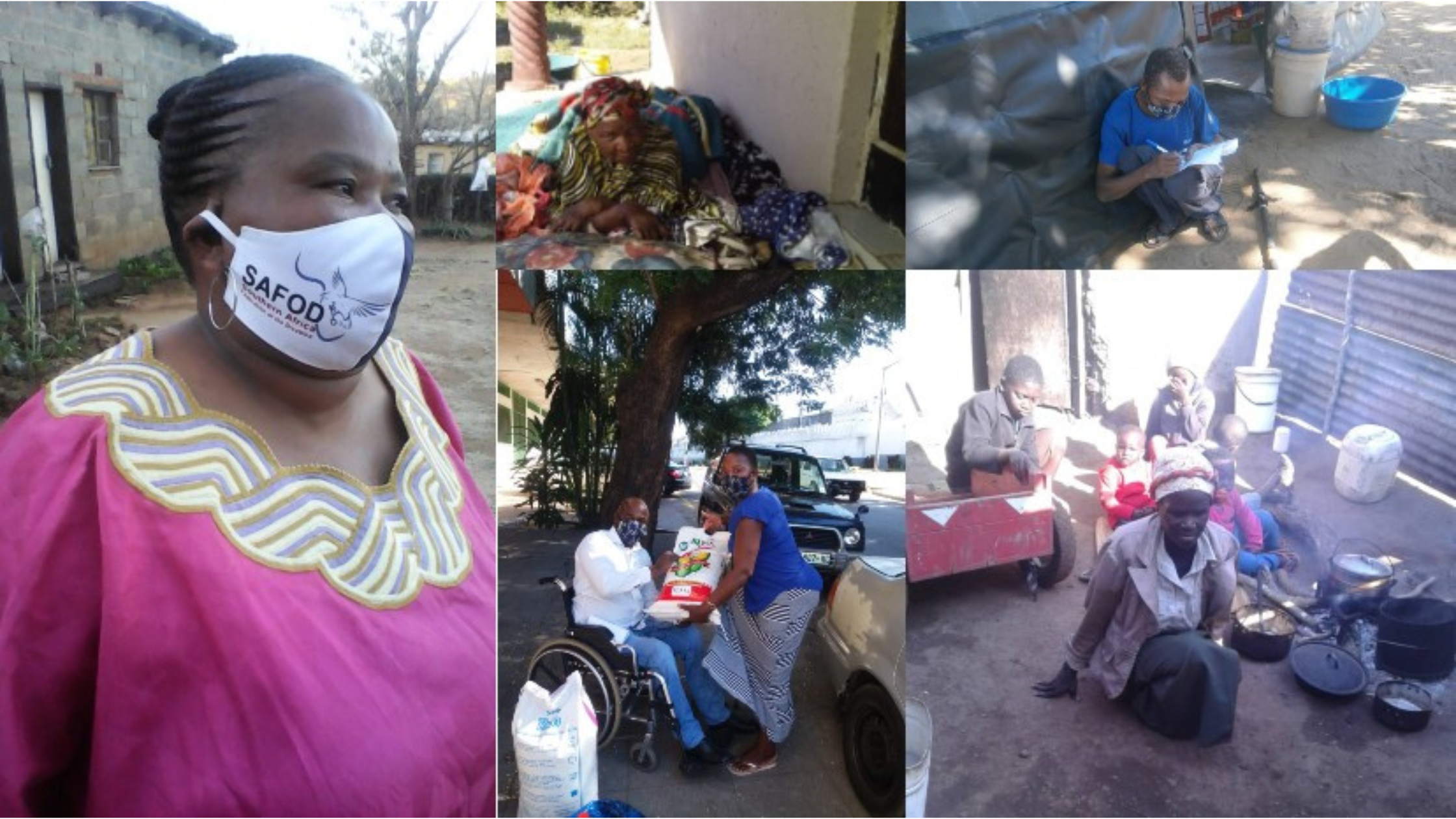
For most people, going to a clinic is straightforward. For many persons with disabilities across Southern Africa, it is not. Facilities lack ramps. Staff cannot communicate with deaf patients. Health information rarely comes in accessible formats. These are not minor gaps — they are barriers that cost lives.
Findings from SAFOD research
- Health facilities in Zambia, Malawi, and Zimbabwe were found to be physically inaccessible to many persons with disabilities.
- Communication materials are rarely produced in Braille, sign language, or plain language.
- Outreach services — especially for those in rural areas or with severe mobility difficulties — are largely absent.
- Persons with disabilities are among the most underserved groups in health systems across the region.
Sign language training
In 2022, SAFOD Secretariat staff received basic sign language training delivered by the Botswana Society of the Deaf — strengthening the organisation's ability to serve members of the deaf community.
Health is a right. Until health systems are designed with persons with disabilities in mind, that right will remain out of reach for too many people across Southern Africa.