
Overview of the inclusive disaster risk reduction project
SAFOD runs a three-year regional project on inclusive disaster risk reduction, known as DiDRR. We work in partnership with Christian Blind Mission (CBM). The project covers Zimbabwe, Zambia and Malawi. These three countries face similar hazards, including droughts, floods and cyclones.
The project aims to cut the heightened danger that persons with disabilities face in climate-related disasters. It strengthens planning at community, national and regional levels. Learn more about our programmes and projects.
Why this project matters
South-eastern Africa now sees more frequent and intense weather events, driven in part by the El Niño-Southern Oscillation. These hazards hit hardest where people already face economic and social strain, and where most rely on subsistence farming.
Physical, communication and institutional barriers limit access to early warnings, evacuation help and recovery services. The Sendai Framework and the Paris Agreement both call for the inclusion of persons with disabilities. Yet this call rarely reaches national plans or daily programmes.
Implementing partners in three countries
Zimbabwe
- Federation of Organisations of Disabled People in Zimbabwe (FODPZ)
- Regional Psychosocial Support Initiative (REPSSI)
Zambia
- Zambia Federation of Disability Organisations (ZAFOD)
- Adventist Development and Relief Agency (ADRA)
Malawi
- Federation of Disability Organisations in Malawi (FEDOMA)
- Churches Action in Relief and Development (CARD)
- Malawi Council for Disability Affairs (MACODA)
Meet our national affiliates.
What the project does
The project works at several levels. It combines training, policy work and learning between countries. Select each area to read more.
In March 2026, SAFOD hosted a regional training workshop in Boksburg, South Africa. The four-day event brought together 12 participants from OPDs in Zimbabwe, Zambia and Botswana. It had two parts:
- A Training of Trainers (ToT) on DiDRR, building facilitation and advocacy skills.
- A technical course on monitoring Early Warning Systems (EWS).
Participants showed clear gains in their grasp of DiDRR frameworks and practical monitoring tools. Over 90% rated the training "Very Good" or "Excellent." Each country team drew up its own action and monitoring plan.
SAFOD commissioned an independent mapping study. It looked at where persons with disabilities stand within DRR systems in all three countries and across the SADC region. The study found:
- Large awareness gaps among DRR stakeholders about including disability.
- Physical and communication barriers that limit participation.
- Weak enforcement of current disability and DRR policies in all three countries.
- Incomplete data on disability, which limits planning based on evidence.
A policy analysis training in Gaborone, Botswana gave SAFOD and its OPD partners the skills to spot policy gaps and design fixes.
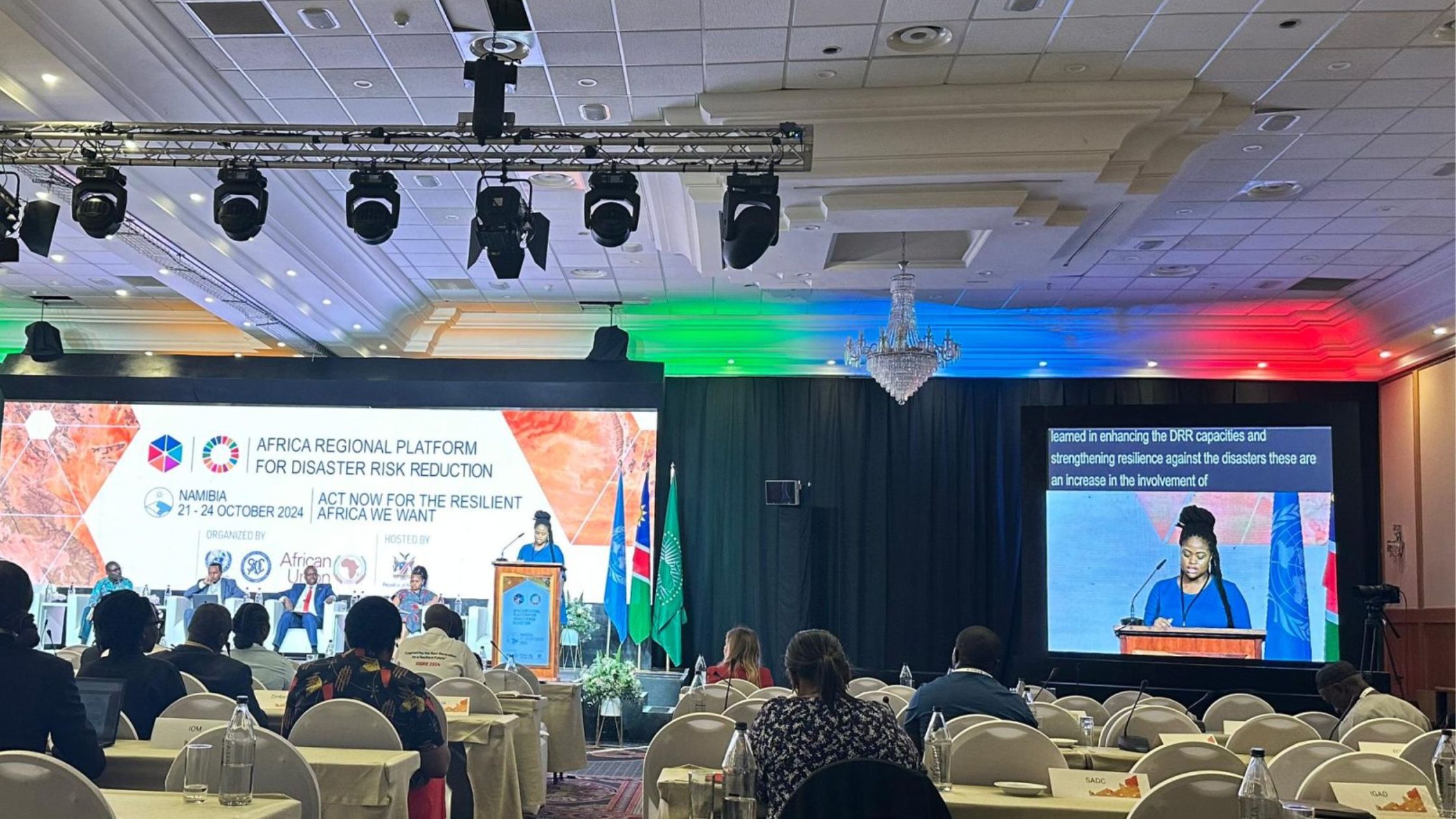
The project promotes structured dialogue between OPDs, governments and non-government actors in the three countries. SAFOD has taken part in key regional and global platforms, including:
- The Africa Regional Platform for DRR (AFRP-9).
- The Global Platform for DRR (8th Session).
- The Global Network of Civil Society Organisations (GNDR).
A regional DiDRR protocol is in development. A roundtable forum is planned to finalise and adopt it. See also our SADC Disability Protocol campaign.
SAFOD and project partners have made field visits to Zambia, Zimbabwe and Malawi. They checked progress, met local stakeholders and supported work in communities. A peer-to-peer programme lets OPD representatives share learning across borders. Coming visits to Muzarabani district (Zimbabwe) and Gwembe district (Zambia) will bring OPDs and government together to review early warning systems on the ground.
Key results to date
Looking ahead
The project will keep supporting OPDs to work with national DRR authorities and shape national DRR plans. Next steps include peer-to-peer visits in Zambia and Zimbabwe, district-level stakeholder meetings, and finalising the regional DiDRR protocol.
The training model from Boksburg is built to spread through OPD networks. It builds lasting skills beyond the life of the project. At regional level, SAFOD's coordination role helps it influence SADC policy on preparedness.
Inclusion is not an optional extra in good governance. It is a basic need for any system that aims to protect all people, including those who need it most. You can donate, explore a partnership or contact us.