
Disability and sexuality: stories from 14 people in South Africa
People with physical disabilities in South Africa share their experiences of relationships, intimacy and sexual health.
Duration
12 months
Location
South Africa
Participants
14 people with disabilities
Funder
Overview of the disability and sexuality project
This disability and sexuality project looked at the myths and attitudes around the sexual lives of people with physical disabilities in South Africa. Sexual health is a human right. Yet people with disabilities are often left out of full and healthy sexual lives.
One common myth treats people with disabilities as asexual. It assumes they are not sexual people at all.
SAFOD worked with three research partners to test this myth and to share real stories. The project used a public survey, personal interviews and a public awareness campaign. People with disabilities took part as co-researchers from start to finish.
SAFOD signed a sub-contract for the disability and sexuality project with the University of East London to run the research. Stellenbosch University in South Africa and SINTEF in Norway joined as partners. The International Foundation of Applied Disability Research (FIRAH) in France funded the work.
Background to the disability and sexuality project: the myth of asexuality
The World Health Organisation describes sexual health as a state of physical, emotional, mental and social wellbeing. It is more than the absence of illness. It includes safe, respectful and positive relationships, free from force, harm or unfair treatment.
Sexual lives are often a place of stigma for people with disabilities. Many people wrongly believe they are asexual. This myth can shut them out of sexual health education and care.
In sub-Saharan Africa, that gap can raise the risk of HIV. South Africa has the largest HIV epidemic of any country. Research on this topic has been thin, so the need for clear evidence was high.
What the disability and sexuality project involved
The work had three main parts. Select each one to read more.
A survey of public attitudes
The team ran an online survey across South Africa in 2016. It drew 1,990 responses from people of all backgrounds.
The results showed a clear pattern. Many non-disabled people viewed those with physical disabilities as less sexual. They also saw them as having fewer sexual health rights.
Interviews and Photovoice
The team interviewed 14 people with physical disabilities. This group included six women and eight men. They shared their own views and lived experiences.
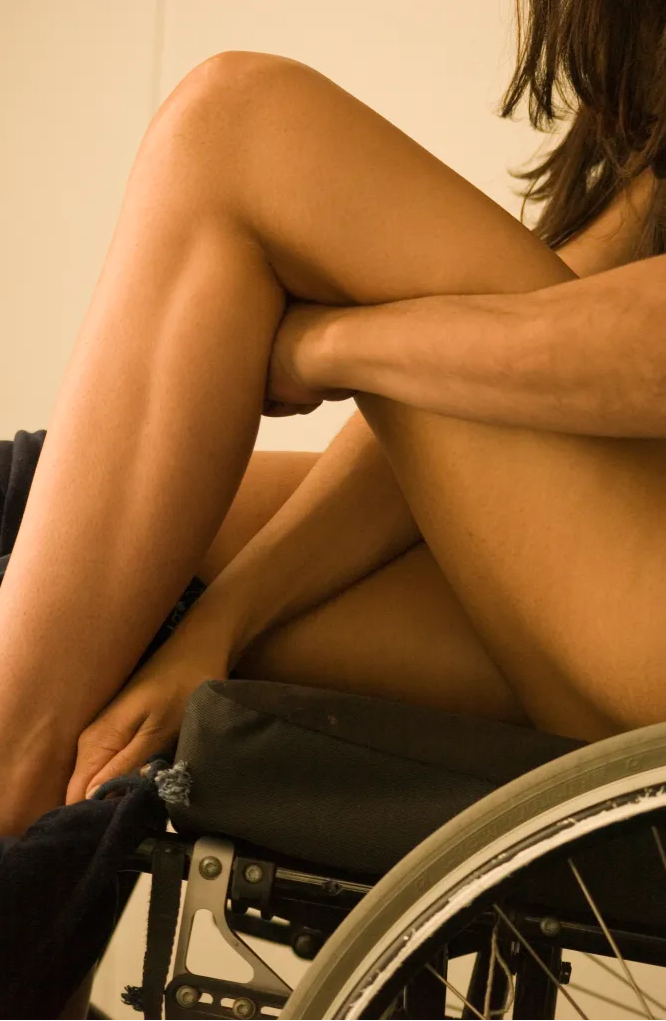
Participants were also invited to take photographs or make drawings of what their sexual lives meant to them. This method is called Photovoice. It let people set the agenda and tell their own stories in their own way.
A public awareness campaign
Working with some of the 14 participants, the team made a set of short educational videos. They also produced a book of photographs and personal stories.
An electronic version of the book was made free to download. The aim was to reach a wide public audience and to change how people think about disability and intimacy.
People with disabilities took part as co-researchers throughout. They helped design the survey tools and collect the data. This kept their voices at the centre of the work.
On 27 March 2017, the project hosted an event in Cape Town. It featured a photo exhibition, a documentary film and a talk about the project. The dance company Unmute also performed, bringing together dancers with and without disabilities.
Partners and team
Implementing partners
- Southern Africa Federation of the Disabled (SAFOD)Botswana
- University of East London (UEL)United Kingdom
- Stellenbosch UniversitySouth Africa
- SINTEF, Foundation for Scientific and Industrial ResearchNorway
Research team
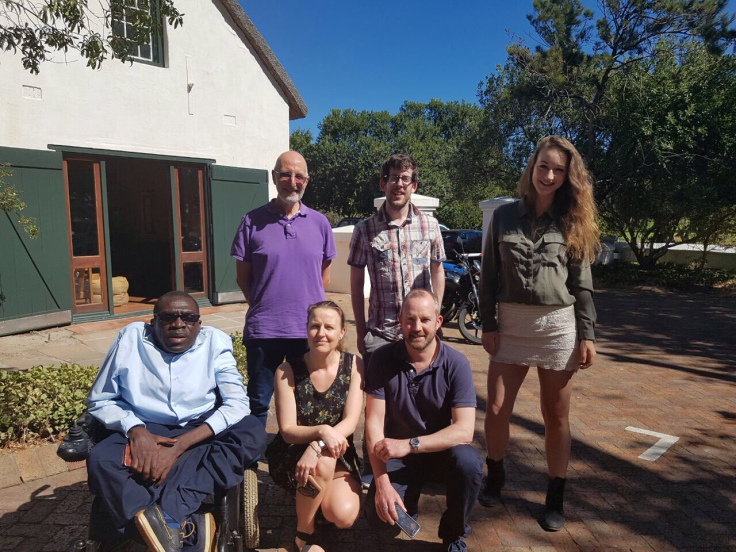
- Dr Poul RohlederUniversity of East London
- Mr Mussa ChiwaulaDirector General, SAFOD
- Prof Leslie SwartzStellenbosch University
- Dr Stine Hellum BraathenSINTEF
- Dr Mark CarewUniversity of East London
- Ms Xanthe HuntStellenbosch University
Key results of the disability and sexuality project
1,990
People responded to the public attitudes survey.
14
People with disabilities shared their stories as co-researchers.
7
Peer-reviewed papers were published in academic journals.
1
Free electronic book of photographs and personal stories was produced.
Videos
A set of educational films was created for public use.
Cape Town
A public exhibition and film screening brought the work to a live audience.
What the research changed
The project showed that the myth of asexuality is real and harmful. It also showed that people with disabilities want to be seen as full sexual beings, with the same rights as everyone else.
The stories, videos and book remain free for the public to use. SAFOD keeps pushing for sexual health rights to be part of our work across the region.
Explore the project website
Visit the full project website for photographs, stories and videos. You can also download the project resource on the myth of asexuality.