
Building OPD Capacity for an Inclusive Legislative Environment in Eswatini
A group photo of FODSWA Executive members at one of the capacity-building trainings.
Overview
SAFOD ran this project with its affiliate in Eswatini, the Federation of Organizations of the Disabled People in Swaziland (FODSWA). The work was funded by the Open Society Initiative for Southern Africa (OSISA).
FODSWA had faced years of leadership and funding problems. Its office had closed and its work had slowed down. SAFOD helped FODSWA get back on its feet and supported its member groups at the same time.
The project helped FODSWA and its members push for laws and policies that protect the rights of persons with disabilities. The support covered governance, leadership, advocacy, lobbying, policy analysis, and monitoring of the UNCRPD.
Background
FODSWA can only be strong if its members are strong too. So SAFOD chose to build the capacity of both the federation and its member Organisations of Persons with Disabilities (OPDs).
The project goal was to strengthen FODSWA and its members in their push to domesticate the UNCRPD. This meant turning the rights in the Convention into real laws and policies inside the country.
The work came with clear risks. These included weak buy-in from government, slow legal processes, and a shortage of funds to keep activities running.
What the project does
The project worked towards three goals. Click each one to learn more.
Stronger governance and leadership +
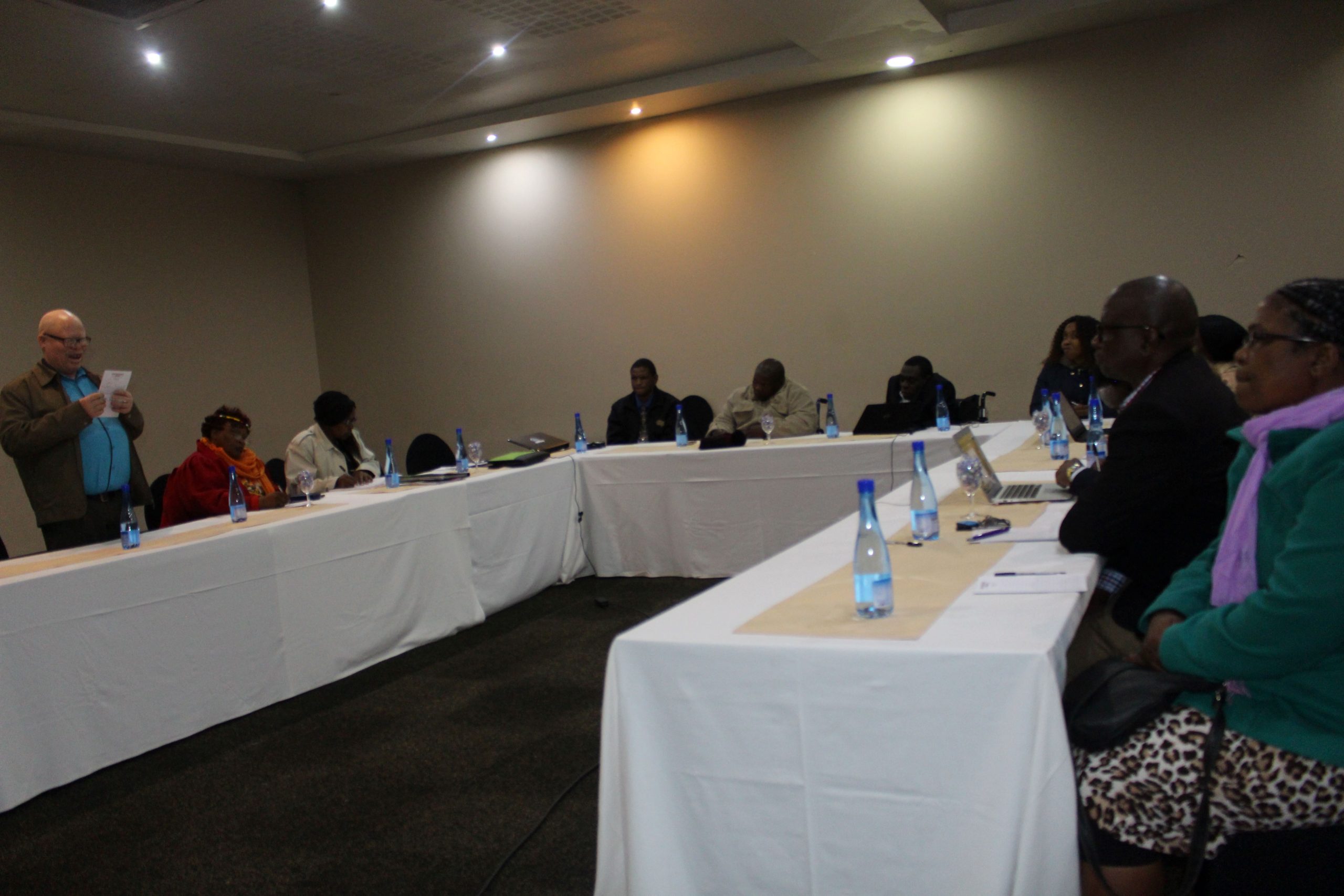
SAFOD helped FODSWA review its Constitution and Strategic Plan. A Leaders and Directors Forum was also held to bring the leadership together.
The forum helped settle a long-running dispute between the President and the Secretary of FODSWA. By the end, the Executive had agreed on one Constitution, ready for the General Assembly to approve.
This work was facilitated by Mr Waliuya Wamundila, a consultant from Disability Rights Watch.
Better advocacy and lobbying skills +
SAFOD trained OPD representatives in advocacy and lobbying. The training gave them the skills to engage policy makers with confidence.
A manual on advocacy and lobbying was produced. Persons with disabilities can use it as a guide when they meet decision makers.
A workshop on using strategic advocacy to support policy and law reform was also held.
Stronger monitoring of the UNCRPD +
SAFOD trained OPD members on how to monitor the UNCRPD and analyse policy. A toolkit on UNCRPD monitoring was developed as a reference guide.
The project held ten lobbying sessions with key policy makers. These focused on enforcing the UNCRPD and passing new laws.
FODSWA also carried out lobbying for the new Disability Bill, working with partners beyond its own membership.
Key results
FODSWA Constitution reviewed and endorsed by the Executive.
New Strategic Plan developed and endorsed.
Leaders and Directors Forum reunited the federation's leadership.
Advocacy and lobbying manual produced for persons with disabilities.
UNCRPD monitoring toolkit developed as a reference guide.
Ten lobbying sessions held with key policy makers.
Lobbying carried out to support the new Disability Bill.
FODSWA able to run projects again after years of inactivity.
The FODSWA advocacy manual
One of the main outputs of the project was a practical advocacy manual for FODSWA. It guides OPDs on disability rights advocacy and how to engage duty bearers. The manual turns the rights in the UNCRPD into clear, everyday steps that members can use. Tap each card to see what it helps OPDs do.
Know your rights
Tap to readKnow your rights
The manual explains the UNCRPD in plain words. It shows how these rights apply to daily life in Eswatini.
Find the duty bearers
Tap to readFind the duty bearers
It helps OPDs name who holds power and duty. These include ministries, agencies, and local leaders.
Plan your advocacy
Tap to readPlan your advocacy
The manual guides OPDs to set clear goals. It shows how to choose issues and build a simple plan.
Lobby with confidence
Tap to readLobby with confidence
It shares practical tips for meeting policy makers. OPDs learn how to make a strong, clear case.
Track the change
Tap to readTrack the change
The manual shows how to follow up after each meeting. It helps OPDs check progress on promises made.
Read the full advocacy manual
Open the complete guide to explore every topic in detail.
Looking ahead
By the end of the project, FODSWA was running again. A new Constitution and Strategic Plan were in place, waiting for General Assembly approval.
The gains were real, but the work is not finished. Partners agreed that one year was short for problems this deep. FODSWA still needs steady support to hold on to its progress.
SAFOD continues to stand with FODSWA so these gains last. The aim is a federation that can lead its own advocacy and serve its members well.