
Overview of the disability arts and crafts project
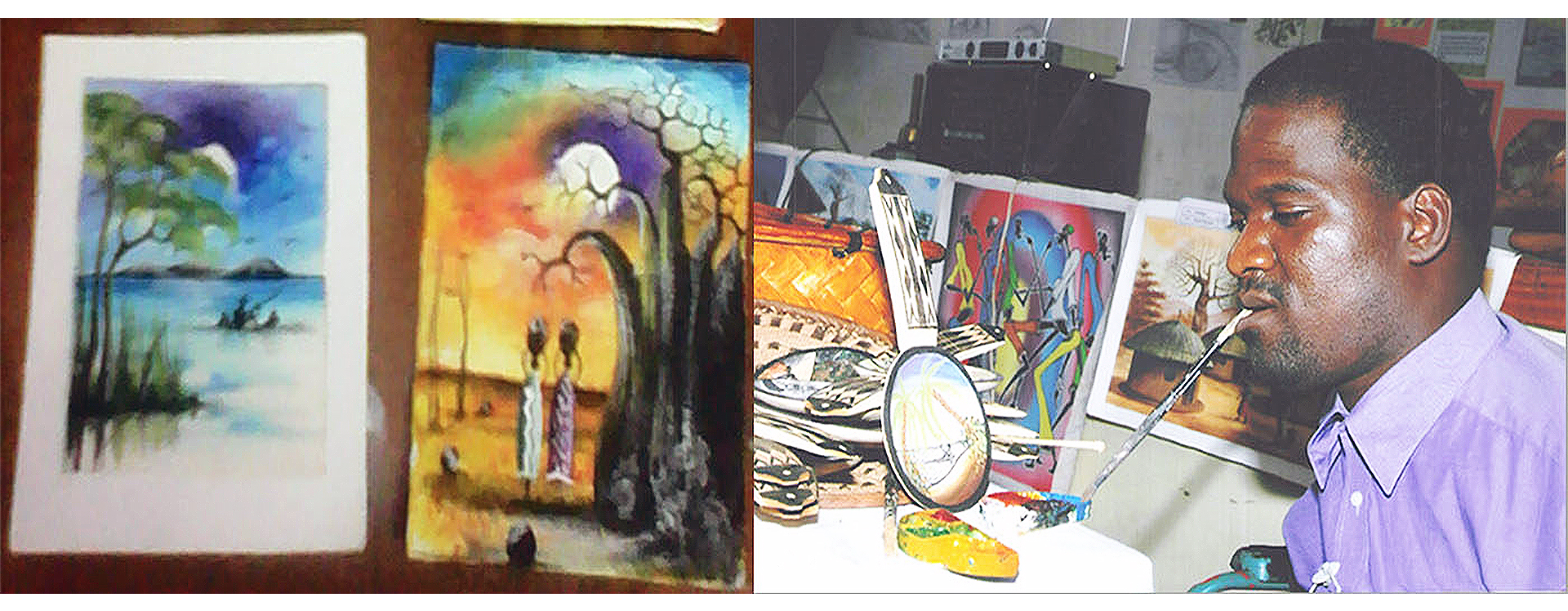
SAFOD ran a five-month disability arts and crafts project in Mochudi, Kgatleng District, Botswana. It supported 13 craftspeople with disabilities to earn from their skills. The project sat within our disability economic empowerment and entrepreneurship programme. Loughborough University in the UK funded and supported it.
We worked through the Kgatleng Disabled People's Association (KDPA). The project aimed to strengthen networks, training and support for craftspeople with disabilities. It helps them build inclusive, lasting enterprises through a centre for culture, heritage, innovation and enterprise. See our other programmes and projects.
Background: from a 2017 exchange to a 2022 pilot
In 2017, SAFOD and Loughborough University ran a knowledge exchange programme. It looked at the needs of persons with disabilities in arts and crafts enterprise. Three persons with disabilities from Botswana, Zambia and South Africa visited the UK. This laid the groundwork for the projects that followed.
In 2022, we ran a pilot to strengthen networks and support craftspeople with disabilities. It built inclusive, lasting enterprises. A needs assessment study was carried out. We also finished a multi-purpose workshop in Mochudi, Kgatleng District. This was a major milestone for the programme.
What the disability arts and crafts project does
The project combines digital tools, enterprise support, a physical hub and knowledge exchange. Select each area to read more.
We collected content and built a profile for each of the 13 craftspeople. The profiles sit on the SAFOD Crafts Abilities website (craftsabilities.net). Each profile shows the maker's background, skills and products. This gives them a visible place in the online market and links their work to wider audiences.
We built an e-commerce website, Itirele, to sell the craftspeople's artefacts to international buyers. Itirele means "make it yourself" in Setswana, the national language of Botswana. The platform brings handmade artefacts by persons with disabilities from across Southern Africa to global buyers. It shows their creative and cultural heritage beyond disability. Products range from traditional pottery and woven furniture to handmade clothing and leather goods.
SAFOD commissioned a study of the 13 craftspeople. It gathered evidence on their needs, hopes, challenges and chances. The study shaped our support activities. It also showed the biggest gaps in training, market access and enterprise growth. We used the findings in programme planning and future funding proposals.
We hosted a regional webinar on economic empowerment for persons with disabilities. Participants from across Southern Africa shared good practice, challenges and chances in disability enterprise. Craftspeople, organisations of persons with disabilities (OPDs) and development partners exchanged knowledge. The event also placed disability-led enterprise as a clear focus for regional advocacy.
We built a multi-purpose hall in Mochudi, Kgatleng District. It is a physical hub for arts and crafts activities by local craftspeople with disabilities. The hall is designed to be inclusive and accessible. Local artists can sharpen their skills, show their work, swap knowledge and reach global markets through digital platforms. It is part of a wider plan to create a financially lasting centre for training and enterprise in the district.
Key results of the disability arts and crafts project
Looking ahead: growing the disability arts and crafts project
The hall and the digital platforms give craftspeople with disabilities in Kgatleng District a lasting base. The Itirele site and the craftsabilities.net profiles keep linking local makers with regional and international buyers.
SAFOD continues to seek funding. We want to reach more craftspeople and grow the Mochudi hub into a centre for training, knowledge exchange and enterprise for the wider disability community.
Support the disability arts and crafts project
You can help these makers grow. Donate to SAFOD, explore a partnership, or contact us to share ideas. Buy their work through craftsabilities.net.