
Inclusive access to health care: the SA-PIAH programme
Health is a right. SA-PIAH removes the barriers that keep persons with disabilities from the care they are entitled to.
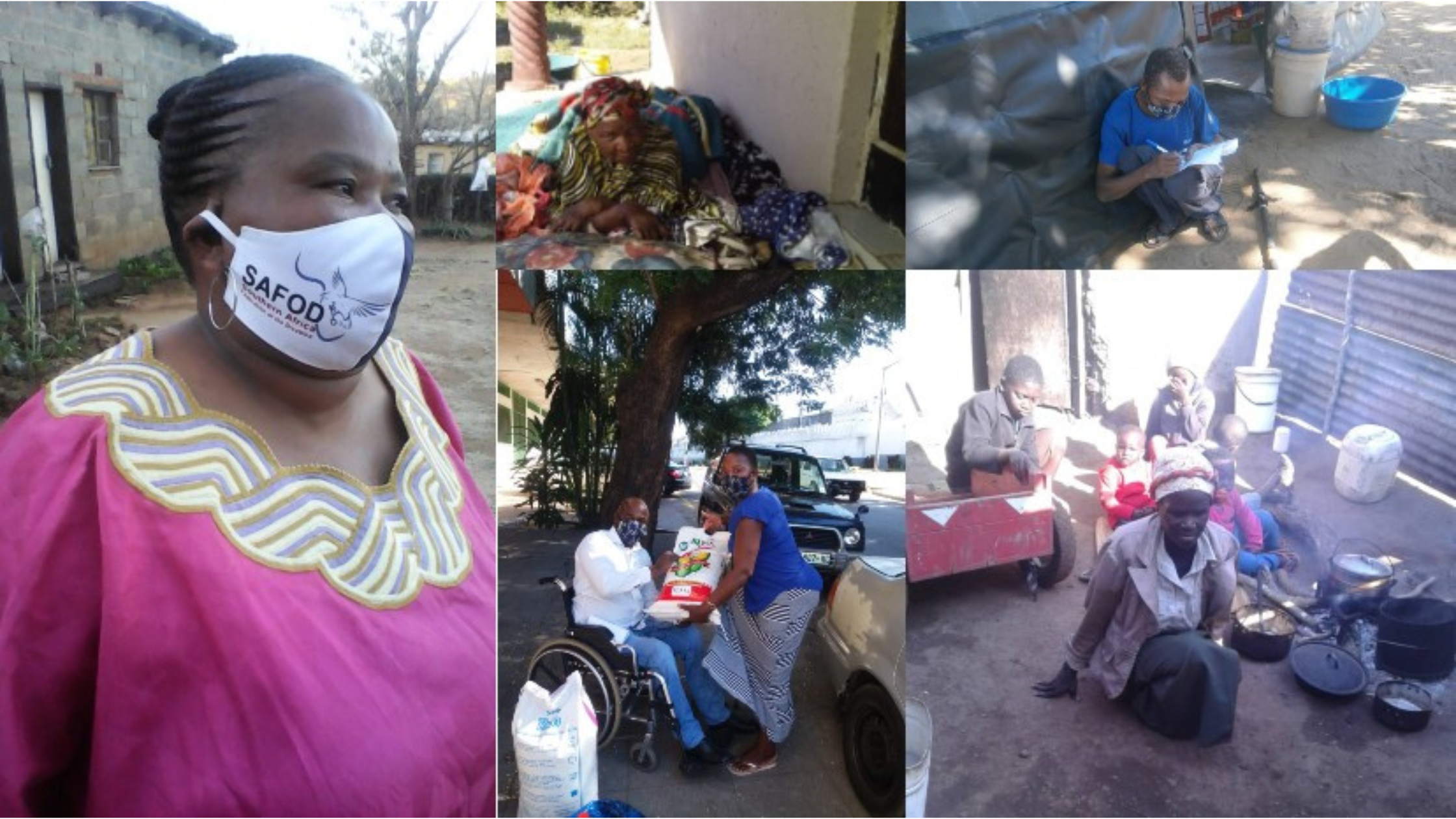
Inclusive access to health care is a right, yet for many persons with disabilities across Southern Africa it is out of reach. Facilities lack ramps. Staff cannot communicate with deaf patients. Health information rarely comes in accessible formats. These are not minor gaps. They are barriers that cost lives.
SA-PIAH is one of our programmes. It works with our national affiliates in the SADC region. Our approach follows the right to health in the UN Convention on the Rights of Persons with Disabilities.
Barriers to inclusive access to health care
- Physical access to facilities.
- Attitudes of health workers.
- Accessible health information.
- Health service delivery policies.
What the evidence shows
Findings from SAFOD research
- Health facilities in Zambia, Malawi and Zimbabwe were found to be physically inaccessible to many persons with disabilities.
- Communication materials are rarely produced in Braille, sign language or plain language.
- Outreach services are largely absent, especially for people in rural areas or with severe mobility difficulties.
- Persons with disabilities are among the most underserved groups in health systems across the region.
Read more in our inclusive COVID-19 responses campaign and our publications.
Spotlight on inclusive access to health care
Sign language training
In 2022, SAFOD Secretariat staff received basic sign language training from the Botswana Society of the Deaf. It strengthens our ability to serve members of the deaf community.
Related work to inclusive access to health care
Health is a right. Until health systems are designed with persons with disabilities in mind, that right will stay out of reach for too many people across Southern Africa.