
Our inclusive COVID-19 strategy campaign
Our inclusive COVID-19 strategy makes sure no health emergency leaves persons with disabilities in Southern Africa behind.
A right, not a favour
Health is a human right. The COVID-19 pandemic put that right at risk for millions of persons with disabilities across Southern Africa. SAFOD built an inclusive COVID-19 strategy to change that.
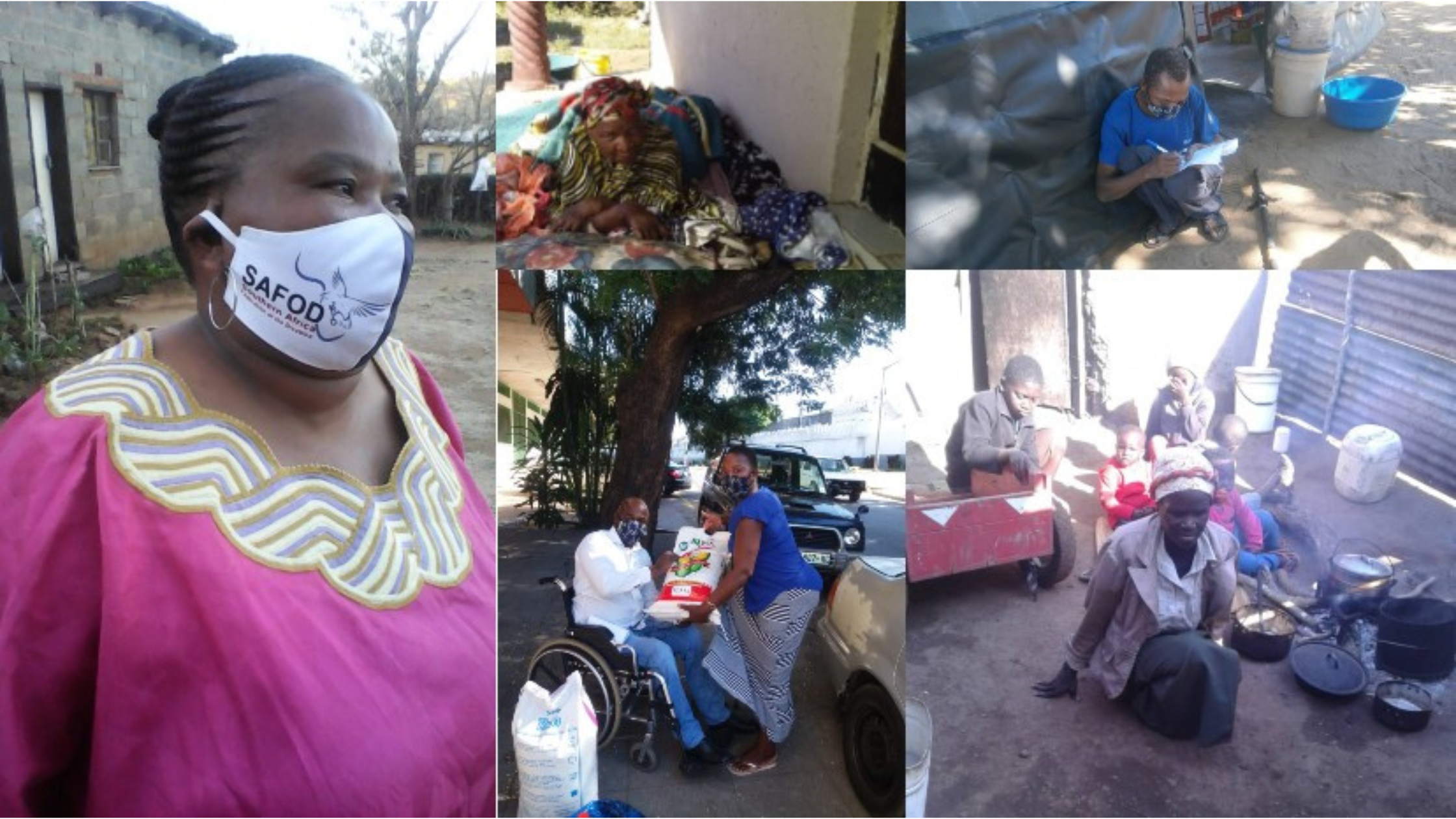
It began with evidence. SAFOD ran a research study, funded by FFO, into how the pandemic was affecting persons with disabilities in the region. The findings were stark, and they shaped what came next. That research informed the SAFOD COVID-19 Response Strategy, a rights-based plan for inclusive responses. SAFOD and its national affiliates then used the inclusive COVID-19 strategy to campaign for programming that reached disabled people, not just the general public.
Why an inclusive COVID-19 strategy matters
When the pandemic hit, persons with disabilities were among the first to be left out. The barriers were practical and they were urgent.
- Public health information rarely came in sign language, Braille, or easy-to-read formats.
- Face masks stopped deaf people from reading the lips of carers and health workers.
- Social distancing and isolation were impossible for people who need daily physical support.
- Lockdowns cut off incomes, food, transport, and medicines for many disabled people.
- Persons with disabilities were largely missing from national response planning.
The research behind our inclusive COVID-19 strategy
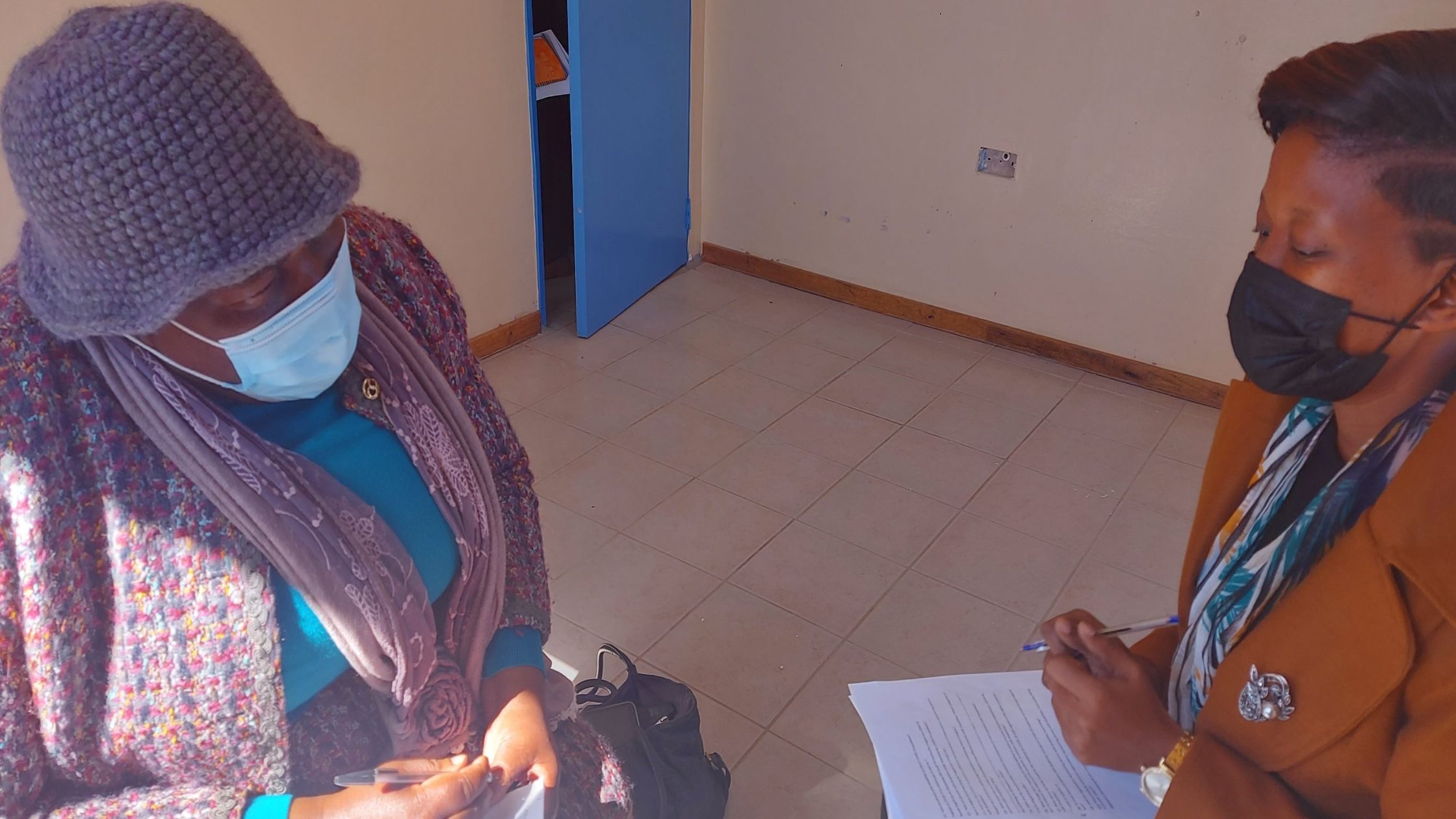
SAFOD set out to document what the pandemic really meant for disabled people. The study used interviews, focus group discussions, and document analysis across SADC, with community case studies in Botswana, Lesotho, and Namibia.
The finding was clear. COVID-19 did not create new problems so much as deepen old ones. Poverty, weak social protection, lost work, and poor access to services all grew worse. The evidence gave the campaign its direction and its urgency.
Read the COVID-19 impact research (PDF) ↗"Nothing about us, without us."
The guiding principle of the UN Convention on the Rights of Persons with DisabilitiesThe SAFOD COVID-19 Response Strategy
The research fed directly into SAFOD's COVID-19 Response Strategy. It set out how SAFOD, its affiliates, and partners would respond to the crisis across the region. Its main goal was to help national affiliates and stakeholders build inclusive response plans that reduce both infection and impact among persons with disabilities.
The inclusive COVID-19 strategy is a rights-based, people-centred plan. It is guided throughout by the UN Convention on the Rights of Persons with Disabilities (UNCRPD). It is a living document, updated as new evidence comes in from the ground. It rests on six strategic approaches.
Advocacy
Grounding all work in research and evidence to push for the rights of persons with disabilities.
Participation and awareness
Using simple participatory methods so disabled people shape the solutions that affect them.
Partnerships and alliances
Working with governments, SADC, and partners to reach further than SAFOD could alone.
Capacity of affiliates
Building the skills of national affiliates to inform and protect their communities.
Capacity of media
Training journalists to report on how inclusive national COVID-19 plans really are.
Technology
Delivering training, dialogue, and information online to keep staff and partners safe.
Seven objectives of the inclusive COVID-19 strategy
1 Generate and use evidence
2 Influence SADC and member states
3 Strengthen affiliates
4 Raise awareness
5 Mainstream disability into health
6 Diversify funding
7 Strengthen governance
Building the skills to deliver the strategy
A central part of the campaign was a regional capacity building workshop for SAFOD's national affiliates. The two-day online workshop ran on 12 and 13 October 2020. It gave affiliates the tools to turn the inclusive COVID-19 strategy into action in their own countries.
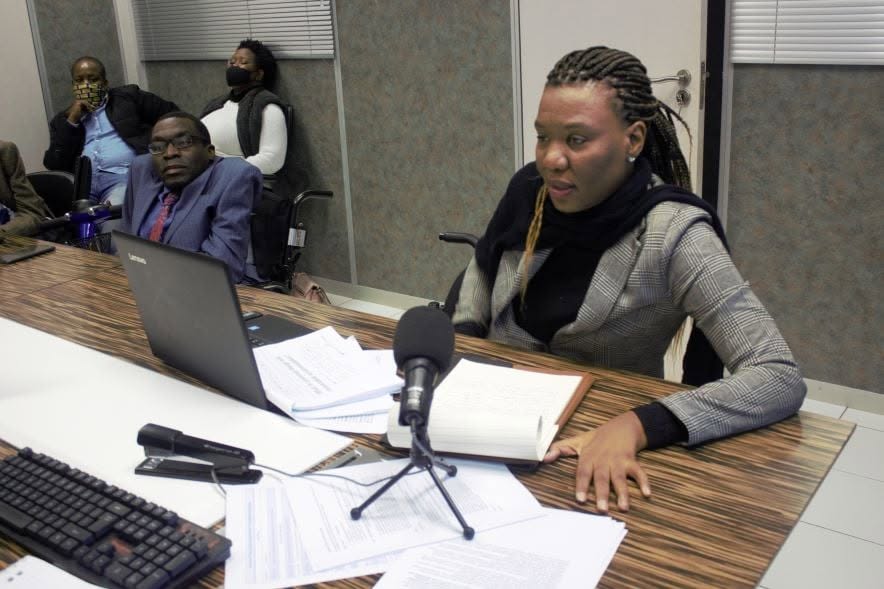
Facilitated by Malebogo Molefhe, an award-winning disability rights activist, who led affiliates through the two-day programme.
Reaching wider stakeholders
The campaign also used webinars to reach beyond the disability movement. These online sessions brought together affiliates, governments, development partners, and the public. They shared the research and pressed for an inclusive COVID-19 response.
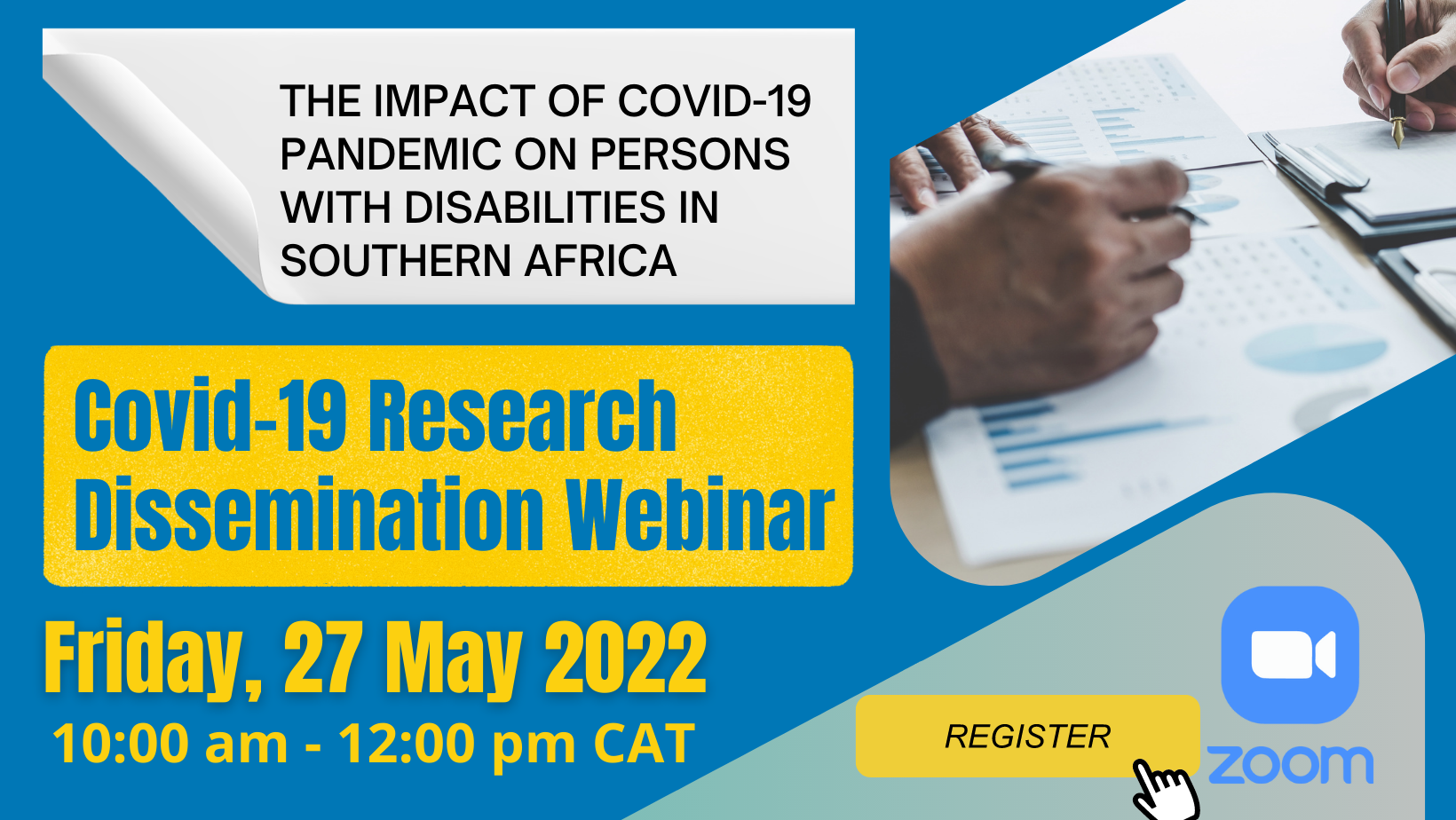
Our inclusive COVID-19 strategy in action: Mozambique
Affiliates took the campaign into their own countries. In Mozambique, FAMOD built on SAFOD's work to drive an inclusive national response.
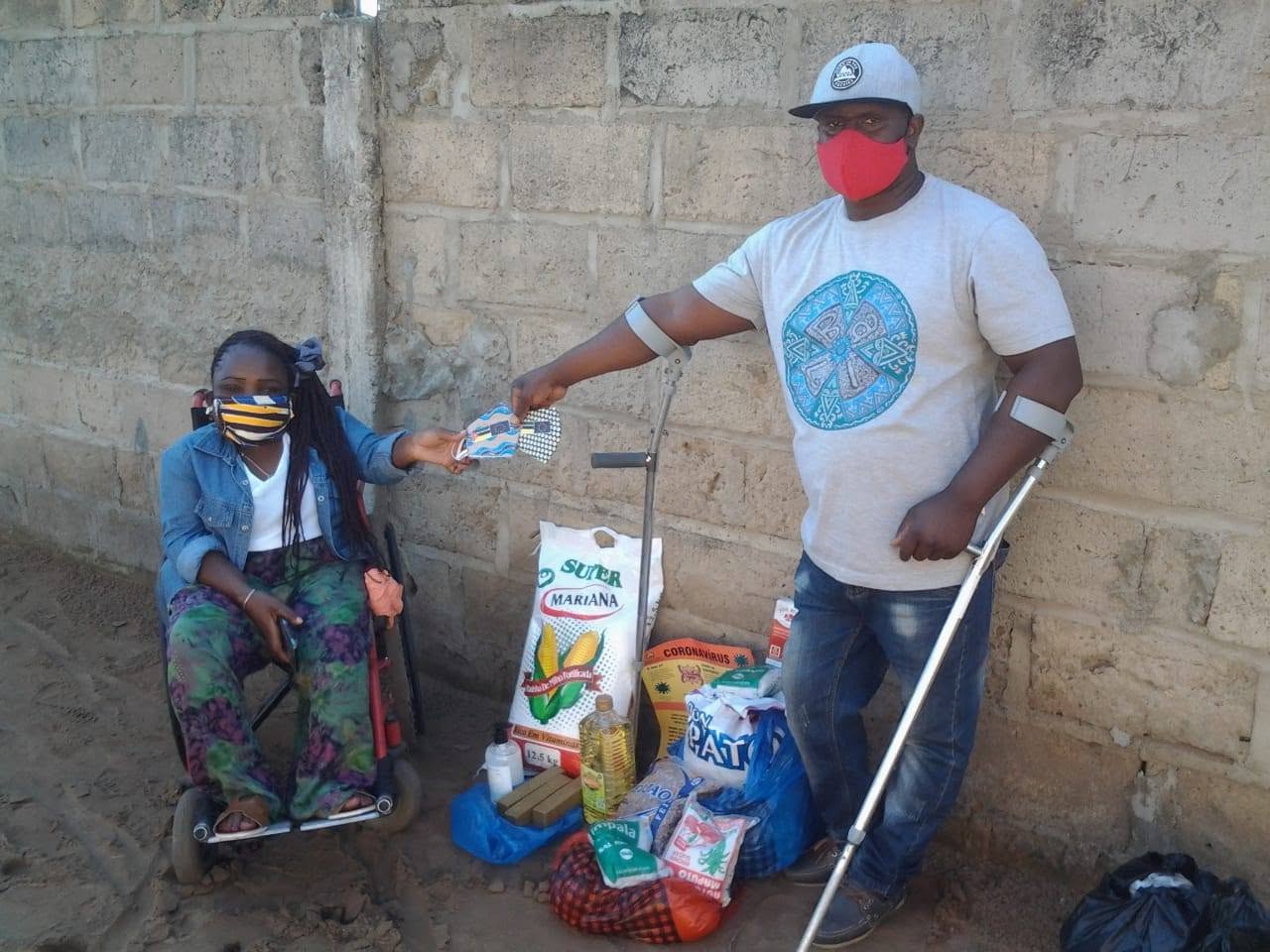
Part of FAMOD's COVID-19 work, delivered through its affiliates in Mozambique.
Coordination of the strategy
FAMOD set up technical and national platforms to track the inclusion of disabled people.
Leadership of the strategy
It led a new Disability Working Group under the UN Protection Cluster.
Results of the strategy
It secured a Ministry of Health bylaw with disability inclusion guidelines for all health sectors.
Part of SA-PIAH
This campaign sits within SAFOD's Southern Africa Programme on Inclusive Access to Health (SA-PIAH). The programme works to make health systems across Southern Africa more accessible to persons with disabilities. It tackles barriers in four areas: physical access to facilities, the attitudes of health workers, the design of health information, and the policies that govern service delivery.
Explore more SAFOD programmes to see how our work reaches persons with disabilities across the region.
Download the inclusive COVID-19 strategy
Read the evidence and the plan that shaped this work.