
Inclusive ECDE strategy: every young child has a right to learn
Every child has a right to learn. SAFOD built an inclusive ECDE strategy so children with disabilities, aged 0 to 8, can learn and grow alongside their peers across Southern Africa.
Why an inclusive ECDE strategy matters
The first years of life shape everything that follows. They build the brain, language, and confidence a child carries for life.
ECDE stands for early childhood development and education. The UN Convention on the Rights of Persons with Disabilities says every child has the right to learn without barriers. Sustainable Development Goal 4.2 promises good early learning for all. Yet most young children with disabilities in Southern Africa are still left out. This campaign works to change that.
Where our inclusive ECDE strategy began
The campaign grew out of an earlier SAFOD project funded by OSISA, the Open Society Initiative for Southern Africa. That project tested inclusive early childhood work on the ground in Lesotho, Zambia, and Mozambique.
SAFOD and its national members listened to families, teachers, and young children. They saw what helped children with disabilities take part, and what kept them out.
Two lessons from the ground
- Good early learning is possible when systems plan for every child from the start.
- National efforts work better when a shared regional standard guides them.
These lessons pointed to one clear gap. The region had no agreed strategy for inclusive early childhood education.
Turning lessons into a regional inclusive ECDE strategy
SAFOD used these lessons to push for change at regional level. With further OSISA funding, and technical support from the Africa Early Childhood Network (AfECN), SAFOD set out to build a shared regional strategy. The aim was simple. Give every SADC government one clear guide for including young children with disabilities in early learning.
Closing the gap in the 2016 education strategy
In 2016, SADC adopted the Southern Africa Inclusive Education Strategy for Learners with Disabilities (2016–2020). That strategy was a big step. But it did not treat early childhood as a stage in its own right. SAFOD set out to close that gap.
Building the inclusive ECDE strategy together
Between 2018 and 2020, SAFOD scaled the work across the region. The process was open and shared at every step:
- A kick-off meeting introduced the project and built common ground among partners.
- A review workshop in April 2019 studied the 2016 education strategy and national ECDE plans.
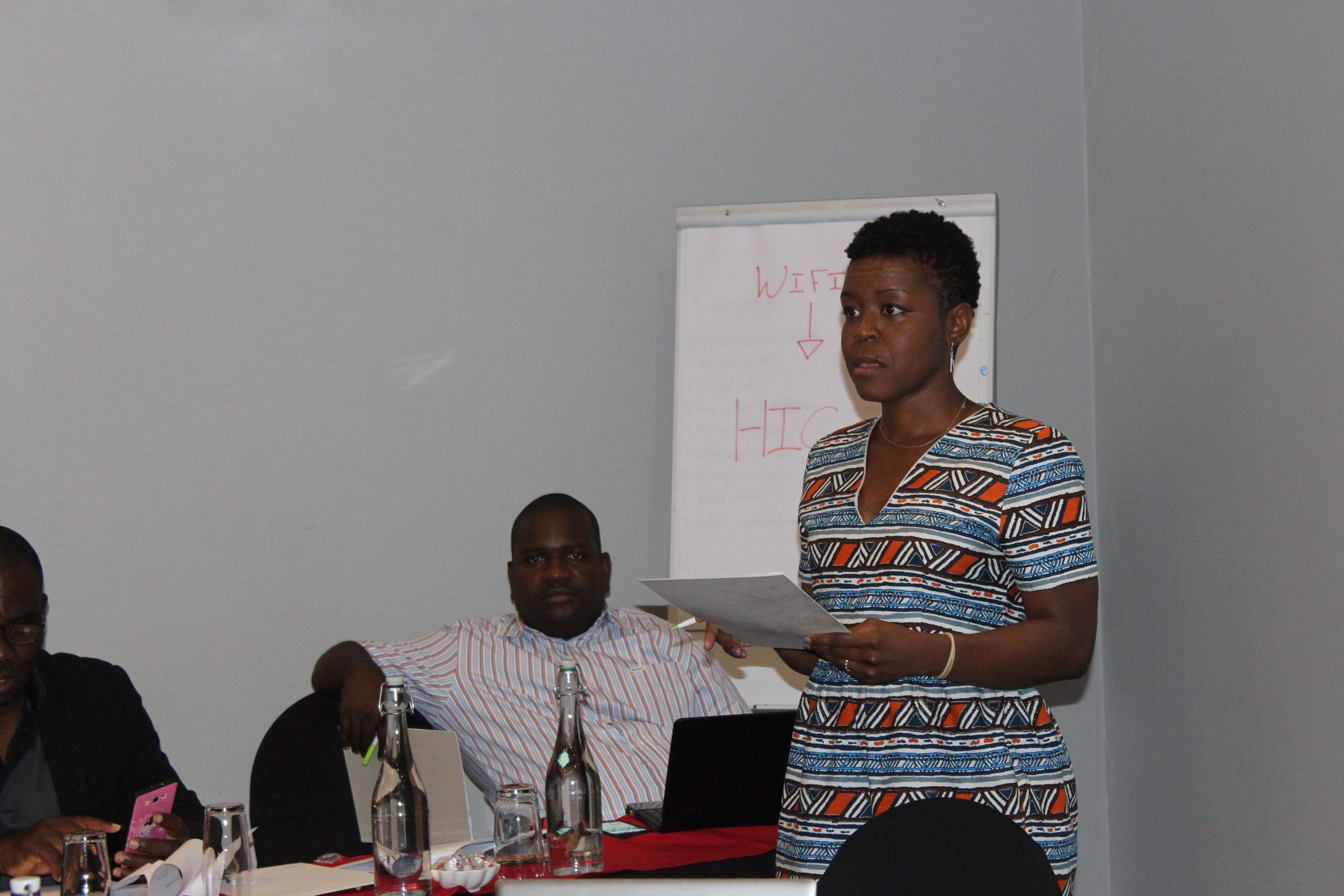
- Validation workshops in December 2019 agreed the priorities and a plan to track progress.
- A meeting with the SADC Secretariat in February 2020 secured its support and guidance.
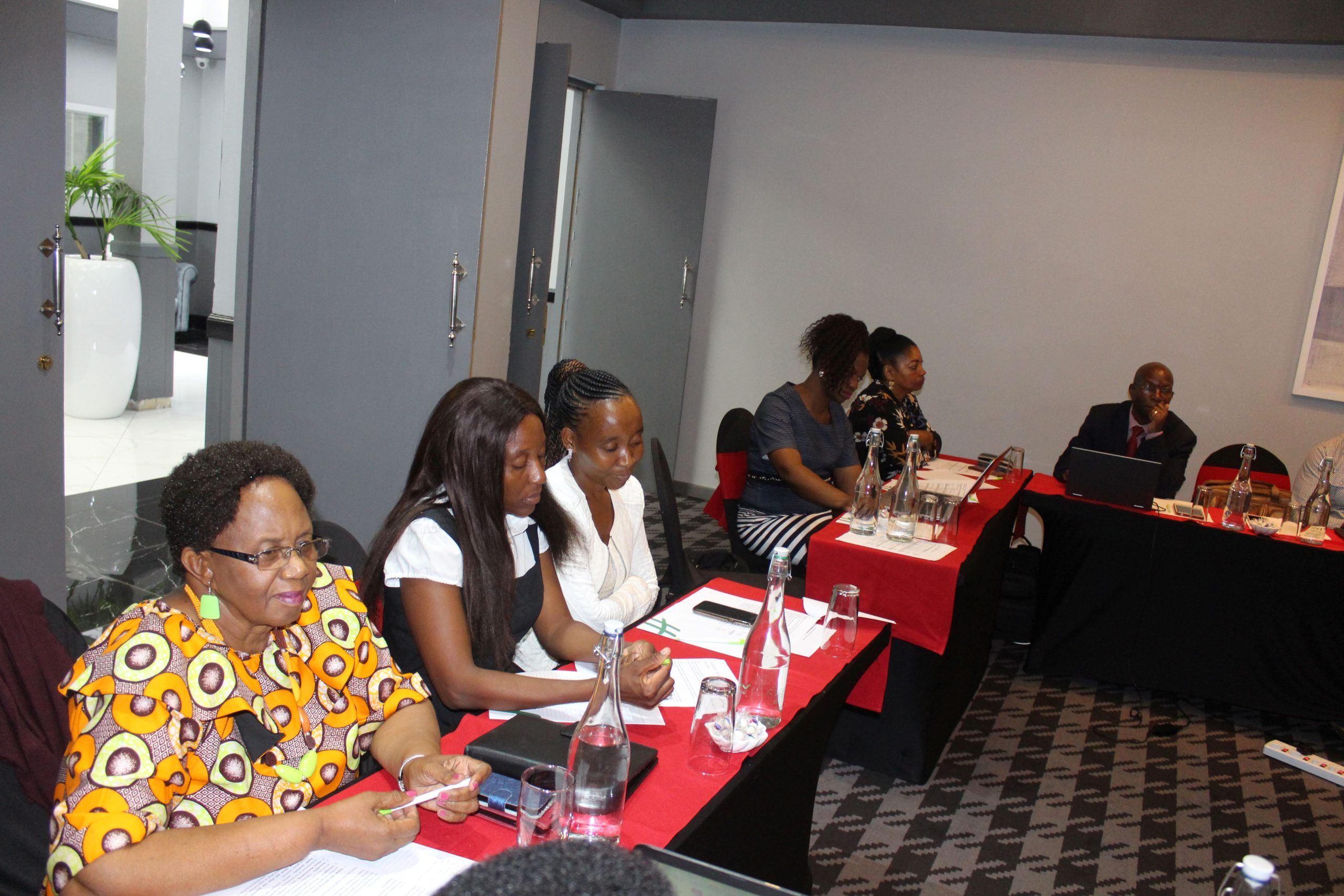
AfECN led the drafting. SAFOD brought together education experts, researchers, advocates, and community workers. National disability federations from across the region took part, including those from Lesotho, Mozambique, and Zambia. The result was a draft regional strategy with a built-in plan to monitor progress.
The Southern Africa Inclusive ECDE Strategy
The inclusive ECDE strategy gives SADC governments and partners a clear path to inclusive early learning. It covers children aged 0 to 8, with and without disabilities.
Goal of the inclusive ECDE strategy
Clear policy direction so every child can reach good early childhood care and learning, on equal terms, right across the SADC region.
What the strategy sets out to do
- Strengthen national systems that support clear, joined-up inclusive ECDE policy.
- Set up the bodies needed to lead, plan, run, and track inclusive ECDE.
- Secure steady public funding and barrier-free facilities for quality services.
- Put in place checks that keep early childhood services inclusive and improving.
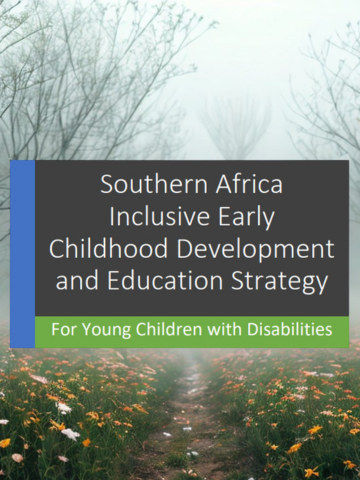
Read the inclusive ECDE strategy document
Read the full draft strategy, including its goal, objectives, and plan to track progress.
Download the strategyWhat we are calling for
The draft strategy is ready. The next step is adoption and action.
Our call to governments
The campaign calls on SADC and its member states to:
- Adopt the Southern Africa Inclusive ECDE Strategy as a shared regional standard.
- Fund inclusive early childhood services so no young child is left behind.
- Track progress and report it openly, so every child counts.
Every child deserves a strong start. Stand with SAFOD to make inclusive early learning real.