
Inclusive early childhood development project: 3 countries, 16 children enrolled
Helping young children with disabilities get identified early, supported at home, and enrolled in school across Lesotho, Mozambique and Zambia.
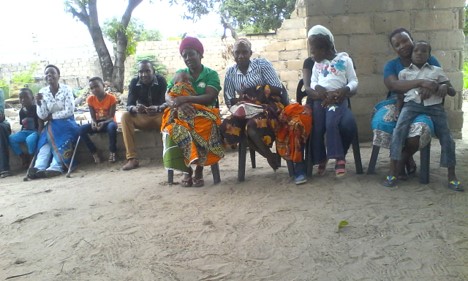
Parents of children with disabilities in the village of Machava Sede at a meeting with facilitators and volunteers in Mozambique.
Overview of the inclusive early childhood development project
From 2016 to 2018, SAFOD ran an inclusive early childhood development project in Lesotho, Mozambique and Zambia. It linked two approaches that work well together: community-based rehabilitation (CBR) and inclusive early childhood development and education (ECDE). The idea was simple. Reach children with disabilities early, support them at home, and help them join an ECDE centre or pre-school with other children.
We delivered the work through our national affiliates: LNFOD in Lesotho, FAMOD in Mozambique and ZAFOD in Zambia. They trained community members, set up local working groups, and guided families from identification to enrolment. Our inclusive ECDE strategy campaign builds on this work.
Background: why inclusive early childhood development matters
The project began as a one-year pilot in 2016, funded by a US$50,000 grant from OSISA. It built the basic tools: an ECDE and disability manual, plain-language leaflets, and a trained team of facilitators in each country.
The results were strong. In 2017, OSISA awarded a US$100,000 scale-up grant to reach more communities and enrol more children. This page covers both phases as one story.
Training the facilitators
The project began with people. On 11 and 12 April 2016, SAFOD held a training of trainers workshop at the Holiday Inn in Johannesburg, South Africa. Facilitators came from the national affiliates in Angola, Lesotho, Mozambique and Zambia.
The workshop had two aims. It prepared facilitators to train caregivers, parents and other community members at home. It also reviewed and validated the new ECDE and disability manual, written by SAFOD consultant Wamundila Waliuya.
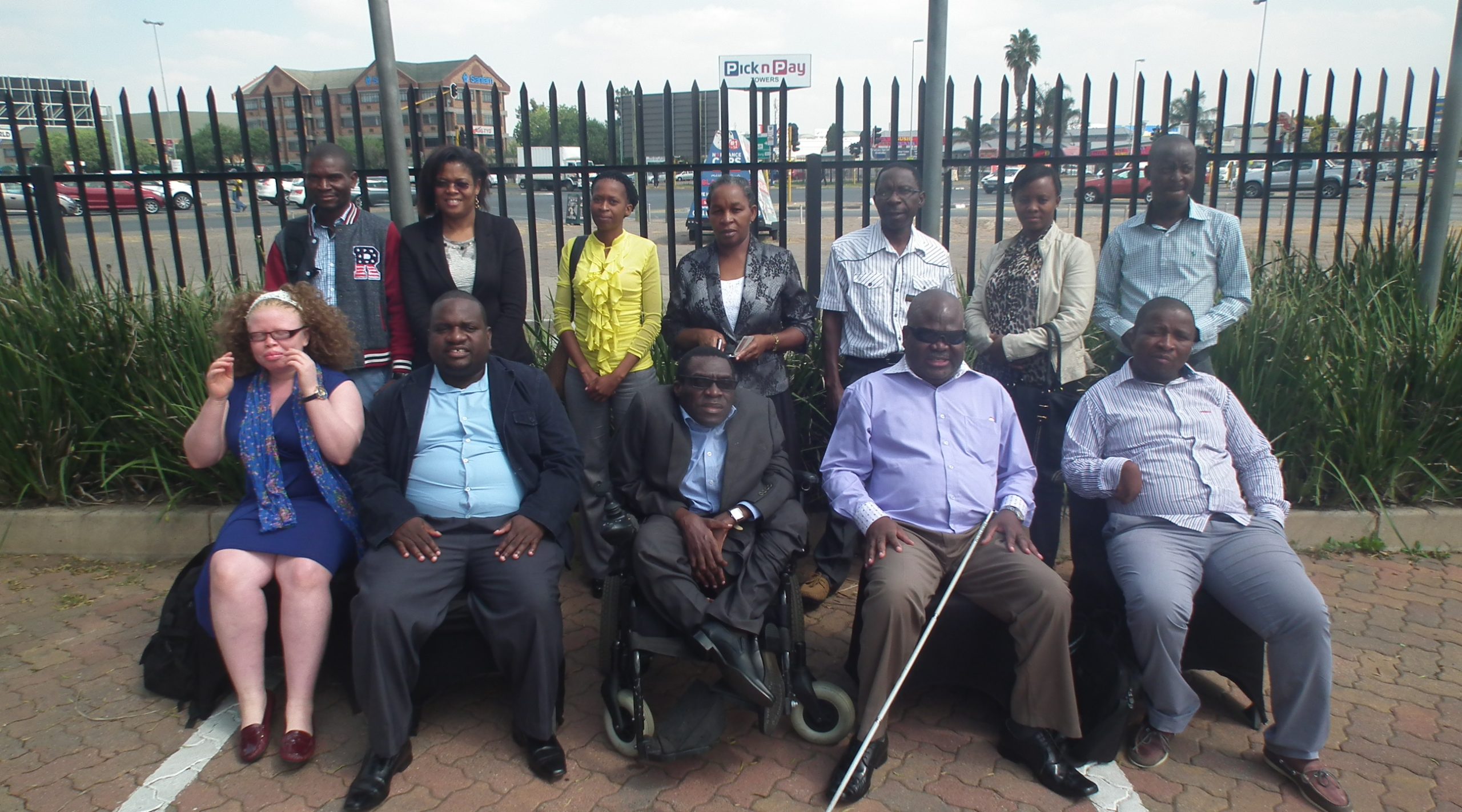
Facilitators from Angola, Lesotho, Mozambique and Zambia at the ECDE training of trainers workshop in Johannesburg, April 2016.
At the opening, SAFOD Director General Mussa Chiwaula said CBR and inclusive ECDE were closely linked, yet little had been done to join them. He noted that CBR had always stressed primary education, but rarely the early years. He called this the first project of its kind in Southern Africa.
The manual gave facilitators a shared guide. It covered the ideas behind inclusive education and CBR, methods for early identification and support, community participation, the role of CBR in widening access to ECDE, and case studies.
What the inclusive early childhood development project did
The work combined early identification, caregiver training, school enrolment and local advocacy. Select each area to read more.
Early identification in communities
Facilitators held sensitisation sessions with people who have direct contact with children: parents, caregivers, chiefs, CBR volunteers, and health and education staff. In Mozambique alone, FAMOD held 54 meetings across 19 villages in Machava district, reaching markets, schools and health centres. Mothers at health centres began watching for early signs and taking babies for checks. More than a hundred children with disabilities were identified there.
Building the capacity of caregivers and DPOs
Affiliates trained caregivers and parents to support children at home. In Zambia, ZAFOD trained twenty people in Kazungula district who had never taken part before. In Lesotho, an occupational therapist worked with DPO representatives and CBR volunteers to teach daily living skills, then showed caregivers how to continue on their own.
Getting children into ECDE centres and schools
Identification only mattered if it led to enrolment. By late 2017, seven children were enrolled in ECDE centres in Lesotho. In Zambia, four children (two boys and two girls) joined the nursery class at Katombora Primary School. In Mozambique, five children with disabilities were enrolled in ECDE centres. Many children first needed therapy to sit, walk or speak before they could attend.
Community working groups (CEIIAWGs)
Each community set up a Community Early Identification and Intervention Advocacy Working Group. These brought together parents, caregivers, chiefs, government staff, DPOs and local NGOs. The groups educated families, referred children to the right services, supported parents, and pushed for better early intervention in their areas.
The inclusive early childhood development manual
SAFOD produced a manual on ECDE and disability, plus leaflets that explain the link between CBR and inclusive education. Community leaders used these in meetings and home visits. Leaders said families had been making mistakes simply because they lacked the right information. The manual helped close that gap.
Policy advocacy in Lesotho
The project opened doors at national level. UNICEF invited LNFOD to join the Network of Early Child Development of Lesotho (NECDOL). Through this platform, partners lobbied parliamentary committees to treat early childhood development as a priority. Members of parliament committed to raising the ECD budget from 0.75% to 2.5% of the education ministry's budget.
A main output: the ECDE and disability manual
Building DPOs' capacity in inclusive early childhood development
This manual is one of the project's lasting outputs. It gives facilitators, caregivers and community members one practical guide to early identification and inclusive early years support. Every facilitator used it as the guide for training across the four countries. Find more guides in our publications.
Download the manual (PDF)Key results of the inclusive early childhood development project
Looking ahead: more inclusive early childhood development
The project changed how families see their children. Parents who once kept children indoors began seeking early help and enrolling them in school. Attitudes shifted, and trusted community structures remain in place.
Gaps remain. Transport costs, school fees and a shortage of learning aids still keep some children out of class. SAFOD continues to seek funding to reach more communities and to push for ECDE curricula that include children with disabilities from the start. You can donate, explore a partnership or contact us.