
SAFOD Advocacy Training | Johannesburg, South Africa | 16–18 September 2024
When disaster strikes, persons with disabilities are often hit hardest if disability inclusion in disaster risk reduction is not mainstreamed. Evacuation plans leave them out. Early warnings do not reach them. Relief passes them by.
This is not an accident. It comes from policies written without them in mind.
Disability inclusion in disaster risk reduction (DRR) is the gap SAFOD set out to close in September 2024.
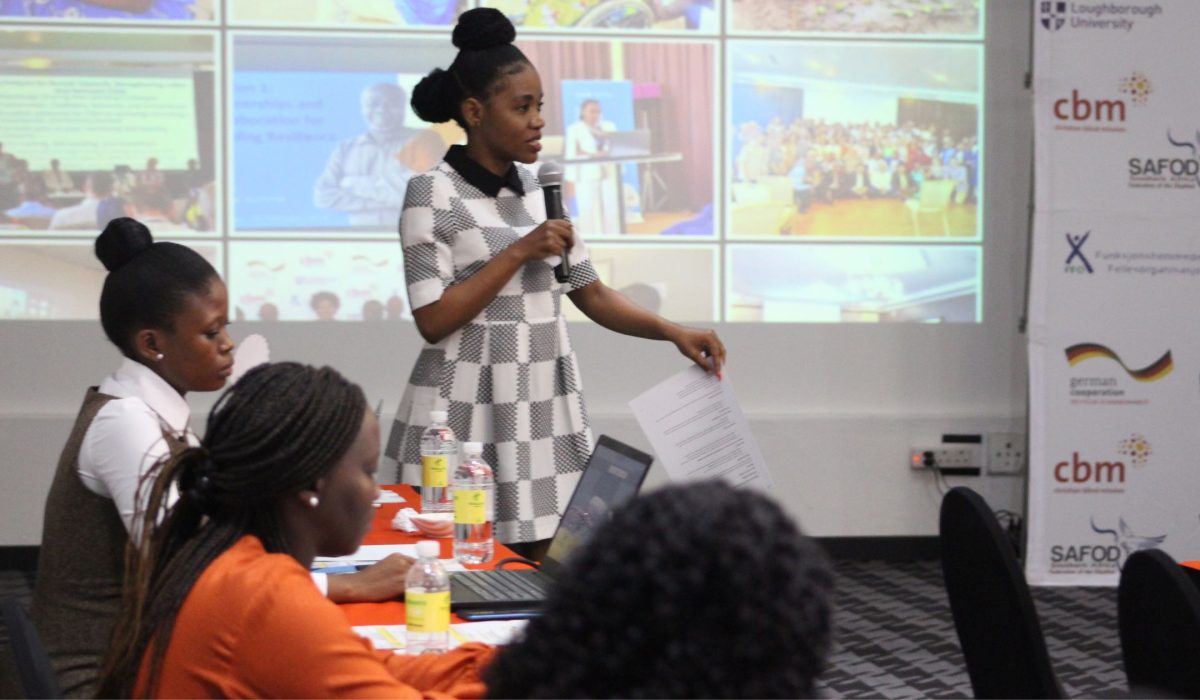
From 16 to 18 September 2024, SAFOD held a three-day training in Johannesburg, South Africa. The aim was to build the skills of organisations of persons with disabilities (OPDs). They learned to plan, run, monitor and review advocacy campaigns on DRR and climate change.
Who Took Part in the Training?
Fourteen people attended. Three came from each OPD in Malawi, Zimbabwe and Zambia. Five SAFOD staff joined them. A consultant led the sessions.
These were not conference delegates. They are activists and organisation leaders. They go home and do the work.
What Did OPDs Learn About Disability Inclusion in Disaster Risk Reduction?
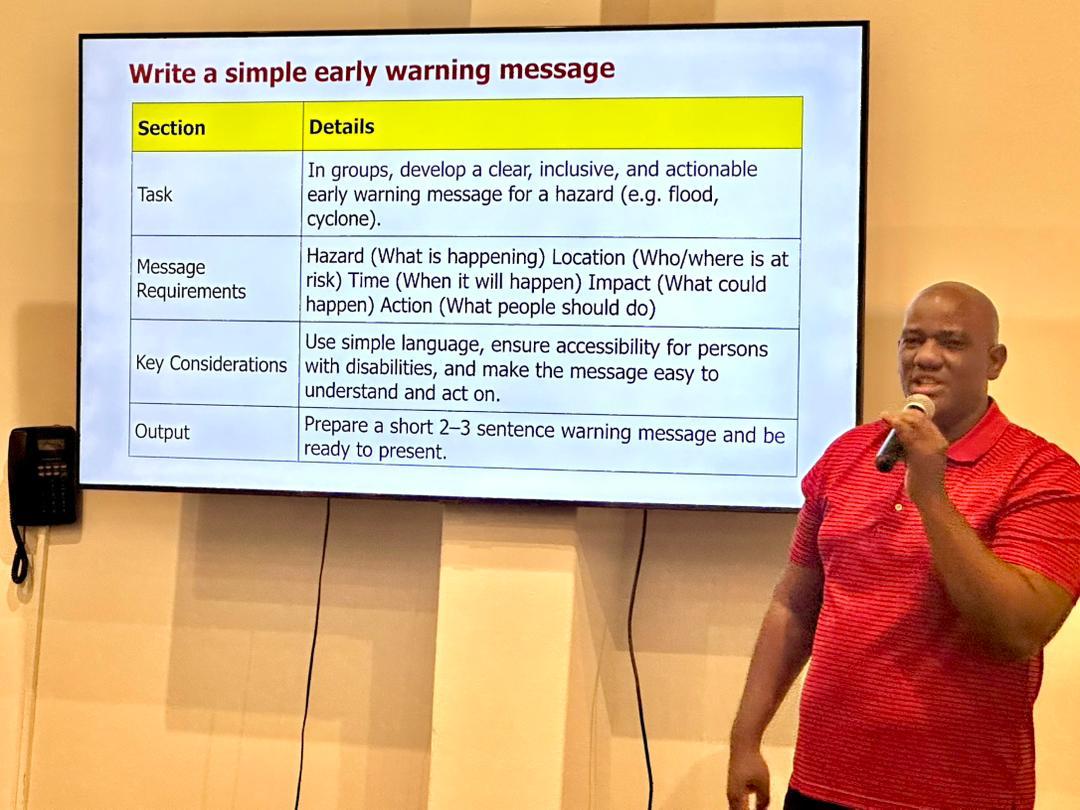
The training covered a range of advocacy tools. These included media advocacy and ways to work with government and other stakeholders. The goal was to push for inclusive DRR policies and plans.
By day three, participants had gone beyond learning. They had built campaigns, drafted key messages and written advocacy plans to guide their next steps.
That is a real result. It is not a report or a statement. It is a plan they can act on.
Why Disability Inclusion in Disaster Risk Reduction Matters
With funding from CBM, SAFOD has been implementing a regional project that seeks to mainstream disability within disaster risk reduction interventions to ensure the needs and rights of persons with disabilities are fully integrated into planning, response, and recovery efforts.
A Rights Issue, Not Just a Technical One
Many see DRR as a technical task. In practice, it is a rights issue. When persons with disabilities are left out of planning, they pay with their safety and their lives.
The Sendai Framework for Disaster Risk Reduction calls for inclusion. Yet plans on the ground often fall short.
Part of a Longer Journey
SAFOD’s DiDRR project runs in three countries. It brings together OPDs, government actors and implementing partners. The September training was one step. It builds the strength of OPDs so they can hold their governments to account.
Read more about the DiDRR partners meeting and a field visit to Gwembe, Zambia.
What Comes Next for Disability Inclusion in Disaster Risk Reduction
Training alone does not change policy. It does give people tools to demand change. The OPDs who attended left Johannesburg better ready to make their case. They can do so in their communities, with their governments and across the region.
A Legal Duty, Not a Choice
Including persons with disabilities in disaster planning is not optional. The UN Convention on the Rights of Persons with Disabilities makes it a legal duty. SAFOD will keep pushing until that duty is met.
Explore more of SAFOD’s advocacy campaigns and disability inclusion projects.