
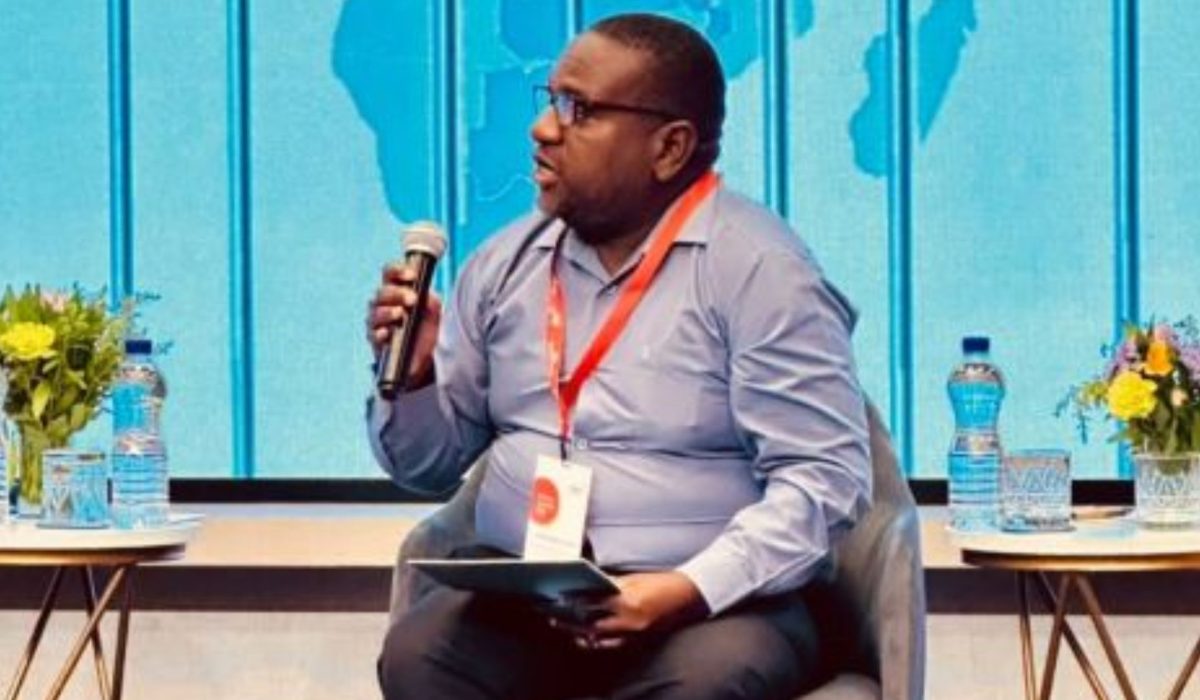
Dr. George Kayange, Strategic Advisor at the Southern Africa Federation of the Disabled (SAFOD), spoke at the CBM Global Partner Summit in Addis Ababa. He joined a panel called “Emerging Priorities for Disability Inclusion”. His message was short. Trust builds a partnership. Capacity makes it work.
This article covers what the CBM Global Partner Summit set out to do and what Dr. Kayange told the room. It also looks at what must happen next for disability inclusion in Africa.
What is the CBM Global Partner Summit?
CBM held the summit from 11 to 13 November 2026 at the Skylight Hotel in Addis Ababa, Ethiopia. The theme was “Partnership for Impact: Strengthening Collaboration, Enhancing Accountability.” Delegates attended in person only.
The CBM Global Partner Summit aimed to:
- Agree on shared strategic priorities.
- Endorse the CBM–Partner Compact.
- Set clear commitments with deadlines.
- Strengthen accountability and trust.
- Share learning and new ideas.
The Compact will describe shared roles, standards and milestones. Each commitment should have a clear owner.
The programme moved away from long talks. Delegates took part in co-creation labs, safeguarding and accountability clinics, and partner learning exchanges. They also drew up joint action plans. CBM will hold a partner summit every three years, so the next round of plans will have a clear check-in point.
Source: CBM Partner Summit 2026.
The panel at the CBM Global Partner Summit
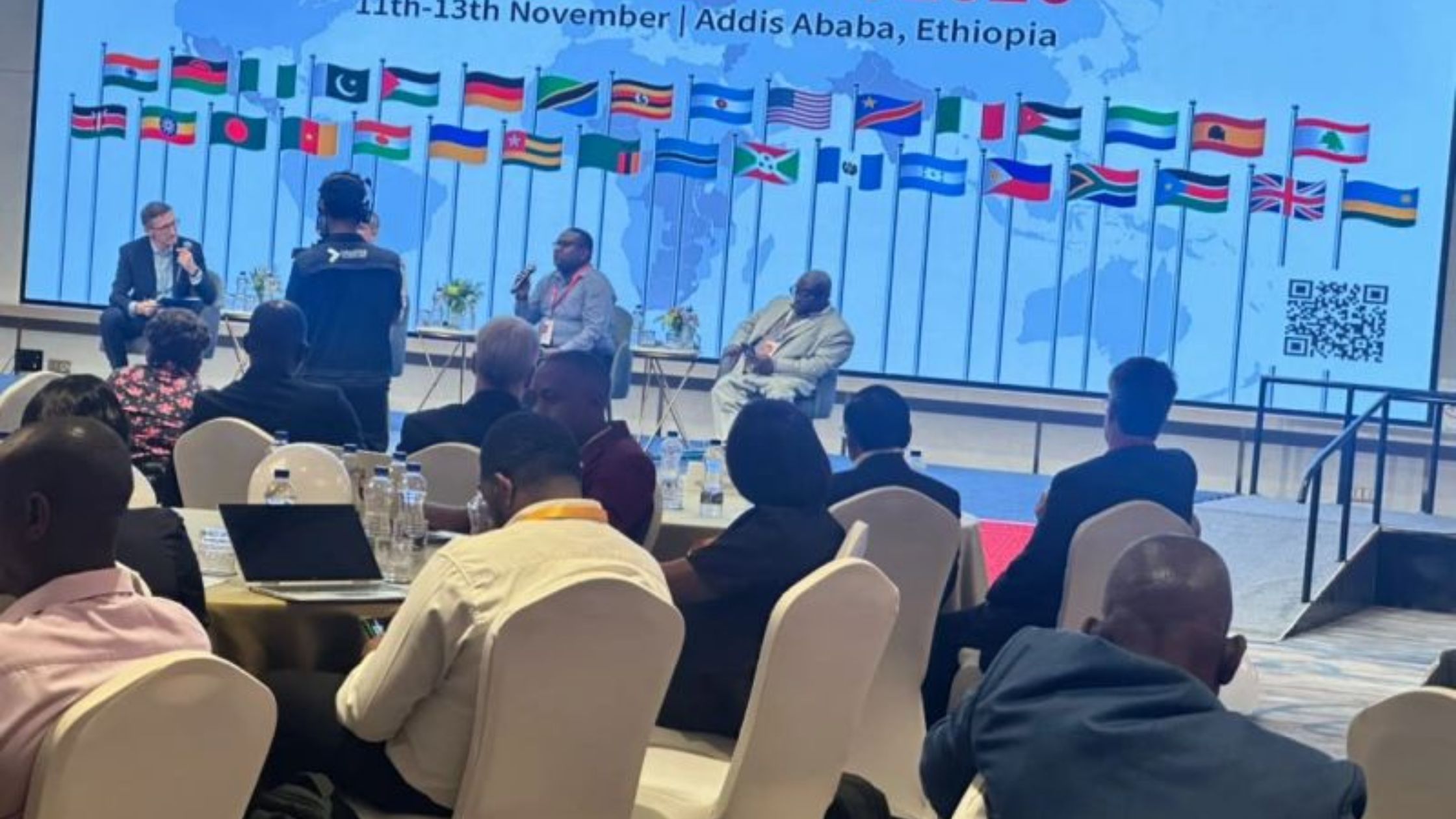
The session looked at the priorities that should shape disability inclusion in the years ahead. Dr. Kayange spoke for SAFOD, a regional federation of organisations of persons with disabilities. He sat alongside two other speakers:
- José María Viera of the International Disability Alliance.
- Abayneh Gujo Desta of FEAPD.
Each speaker brought a different view to the same question. How do partners turn shared goals into results for persons with disabilities?
Lesson one: trust starts the partnership, capacity makes it work
Dr. Kayange told the panel that trust is the base of any partnership. Trust alone does not deliver results, though. Capacity does.
Organisations of Persons with Disabilities (OPDs) need the capacity to:
- Drive the agenda, not follow one set by others.
- Hold duty bearers to account.
Duty bearers are the governments and bodies with a legal duty to protect and respect rights. OPDs speak for the people those duties are meant to serve. When OPDs are strong, partnerships are fairer and decisions are better. This point sits close to the summit theme of accountability. Partners cannot share responsibility if one side lacks the means to take part.
Lesson two: deliver the 813 commitments before Doha 2028
The Global Disability Summit series has met in 2018, 2022 and 2025. The next summit takes place in Doha, Qatar, in 2028. Each one has produced pledges from governments, donors and civil society.
Dr. Kayange said the priority is no longer more commitments. It is delivery. The Berlin summit in 2025 recorded 813 commitments. African stakeholders made 209 of them. He urged partners to start there.
A few plain questions can keep each commitment on track:
- Who owns it?
- What is the deadline?
- How will progress be reported?
- Do OPDs help to track it?
The CBM Global Partner Summit used the same logic. Its aim was to turn shared goals into time-bound actions with clear owners. Doha 2028 gives every stakeholder a fixed date to show results.
Lesson three: build on tools that already exist

The sector does not need to start from zero. SAFOD developed the GDS 2022 Advocacy Toolkit with the Atlas Alliance, and Dr. Kayange led the work. The toolkit supports advocacy on Global Disability Summit commitments.
Dr. Kayange says partners should build on it, not replace it. Reusing proven tools saves time and money. It also lets OPDs spend more effort on follow-up with duty bearers.
Read the GDS 2022 Advocacy Toolkit.
What the CBM Global Partner Summit means for disability inclusion
The CBM Global Partner Summit gave SAFOD a platform to share a clear message. Three points stand out:
- Trust opens the door, and capacity lets OPDs lead.
- The 813 commitments from Berlin 2025 must become results before Doha 2028.
- Existing tools, such as the GDS 2022 Advocacy Toolkit, are ready to use.
SAFOD thanks CBM for the invitation to join the panel. Learn more about SAFOD and its work. If you want to support disability inclusion in Southern Africa, you can also volunteer with SAFOD.